Thinking about buying a rental property in Melbourne, Florida? A deal can look great at first glance, but the numbers can change quickly once you factor in taxes, insurance, flood risk, HOA fees, and realistic rent. If you want to invest with more confidence, you need a clear way to evaluate the property before you make an offer. Let’s dive in.
Start With Melbourne Rental Demand
A smart rental analysis begins with the local market, not just the property itself. In the 2020-2024 ACS period, Melbourne had 87,561 residents, a median household income of $66,991, and a median gross rent of $1,525. The city also had a 59.7% owner-occupied rate, which suggests a stronger renter presence than Brevard County overall.
Brevard County gives you helpful context for resale and long-term demand. The county had 658,447 residents, a median household income of $75,817, and a 76.9% owner-occupied rate. That matters because a rental purchase is not only about today’s tenant demand, but also about your future exit options.
Population trends also belong in your review. From April 1, 2020 to July 1, 2024, Brevard County grew by 8.5%, while Melbourne city grew by 3.3%. At the same time, Brevard County recorded 4,603 building permits in 2024, which means you should weigh demand growth against new housing supply when projecting rent growth and vacancy.
Use Rent Benchmarks Carefully
One of the biggest mistakes investors make is using an optimistic rent number to justify a purchase. Instead, compare your estimate against public benchmarks and ask whether your target rent is conservative, market-aligned, or aggressive.
HUD’s FY 2026 Fair Market Rents for the Palm Bay-Melbourne-Titusville area are:
- 0-bedroom: $1,266
- 1-bedroom: $1,478
- 2-bedroom: $1,709
- 3-bedroom: $2,330
- 4-bedroom: $2,645
HUD describes these as 40th-percentile gross rents for standard-quality units. Gross rent includes tenant-paid utilities except telephone, cable or satellite, and internet. That makes these figures useful underwriting benchmarks, but not a promise of what one specific home will rent for.
You should also compare those figures with Census data. Melbourne’s median gross rent is $1,525, while Brevard County’s median gross rent is $1,456. When your projected rent sits well above these benchmarks, it is worth slowing down and asking what supports that premium.
Build a Real Monthly Cost Model
A rental property should not be labeled cash-flow positive until you model the full monthly cost. Looking only at principal and interest can lead to bad decisions, especially in Florida markets where insurance and local assessments can materially affect carrying costs.
Your monthly analysis should include:
- Principal and interest
- Property taxes
- Homeowners insurance
- Flood insurance, if needed
- Utility costs
- Maintenance costs
- HOA fees, if applicable
You should also remember your upfront costs. Closing costs commonly run about 2% to 5% of the purchase price. If your budget is tight, those numbers can affect your reserves and your true investment return from day one.
Review Brevard County Tax Details
Property taxes are not just a line item you estimate once and forget. In Brevard County, taxes are due November 1, early-payment discounts decrease from 4% in the first 30 days to 0% in March, and taxes become delinquent April 1.
It is also important to account for non-ad valorem assessments. These can include charges for solid waste, fire services, and stormwater. If you skip those costs in your underwriting, your monthly numbers may look better on paper than they do in real life.
Another key point for investors is Florida homestead treatment. Because homestead benefits are tied to property maintained as a permanent residence, you should not assume homestead-level tax savings on a pure rental. That one mistake can throw off your projected payment and your expected cash flow.
Factor In Flood Risk Early
In coastal Florida, flood risk should be part of your evaluation from the start. Melbourne and the surrounding Brevard market can experience local flooding from heavy rainfall, tidal surge, tropical storms, hurricanes, and the Atlantic Ocean and Indian River Lagoon system.
This matters because flood costs can affect both your monthly budget and your resale flexibility. Most standard homeowners policies do not cover flood damage, and flood insurance is separate. In FEMA Special Flood Hazard Areas, flood insurance can also be required.
Even if a home is not directly on the water, you should still verify flood-related exposure before making an offer. A property that seems affordable at first may become less attractive once you add the true insurance cost. For rental investors, that can narrow both cash flow and your future buyer pool.
Compare Property Types Wisely
Not every rental property works the same way, even at a similar price point. In Melbourne, the property type you choose can affect rent potential, monthly carrying cost, tenant appeal, and exit strategy.
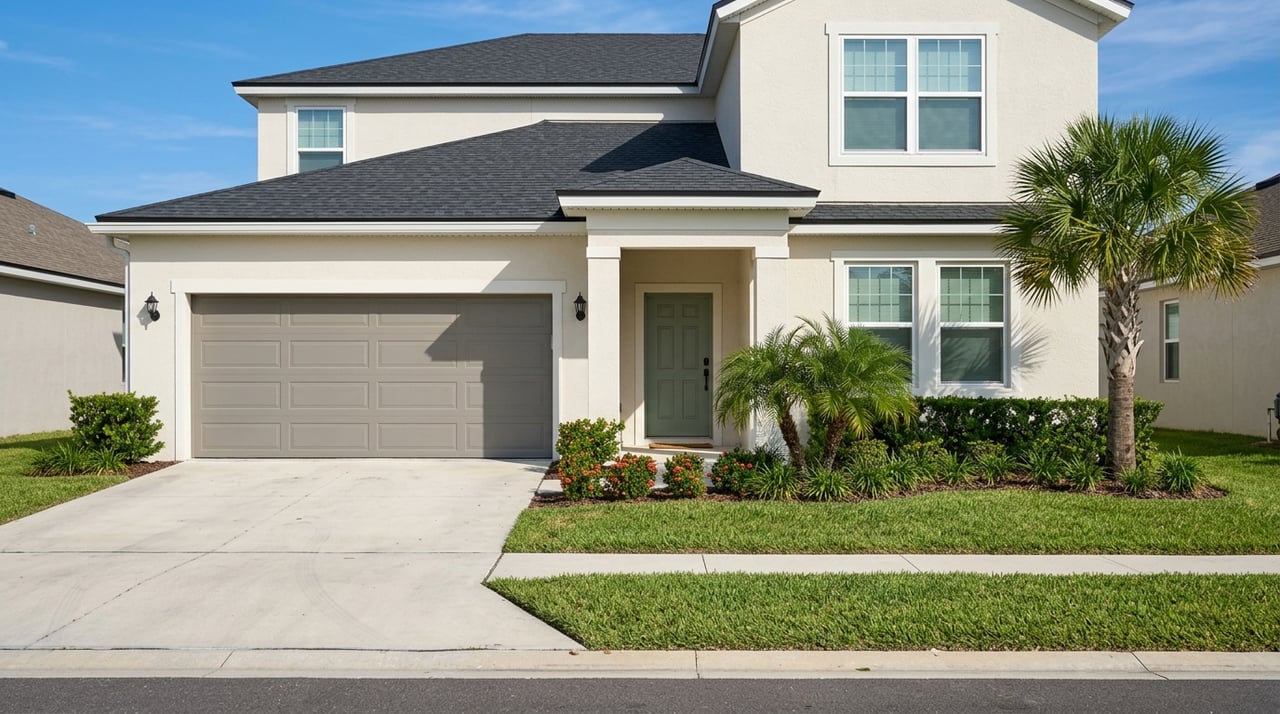
Detached homes often offer simpler monthly budgeting because you are less likely to deal with association rules and fees. They may also appeal to a broader mix of future buyers, depending on financing, insurance, and overall affordability. That wider buyer pool can matter when it is time to sell.
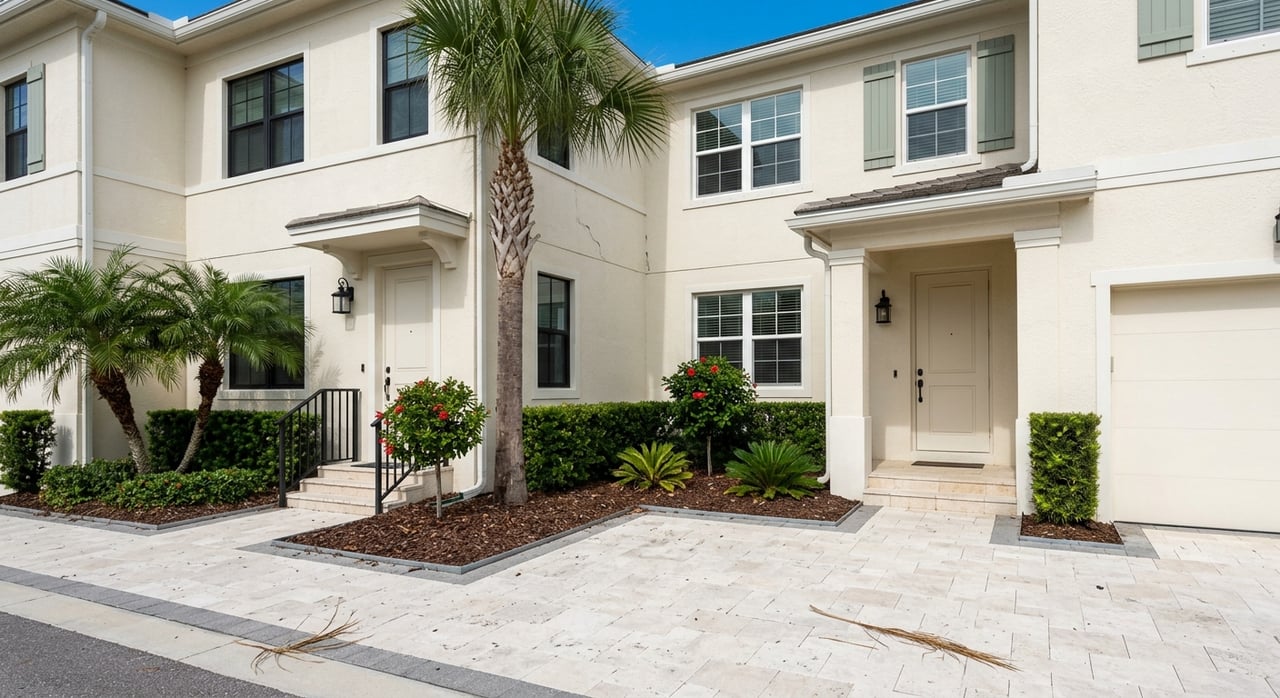
Condos can still be viable rentals, but they require closer review. HOA dues are usually paid directly to the association and are not included in the mortgage payment. You also need to account for condo bylaws, ongoing dues, and the possibility of special assessments.
If you are evaluating a condo or HOA property, ask practical questions such as:
- What are the monthly association dues?
- Are there any upcoming special assessments?
- Are there rental restrictions or approval requirements?
- How do the dues affect monthly cash flow?
- Would the property still make sense if costs increase?
Think About Your Exit Strategy
A good rental purchase should work for you now and leave you options later. One practical way to evaluate a Melbourne investment is to ask whether the property could appeal to both renters and future owner-occupants.
Properties with ordinary financing, manageable insurance, and moderate monthly carrying costs often have broader appeal than properties with high HOA fees, restrictive rental rules, or major flood-related costs. That does not guarantee resale performance, but it is a practical way to think about risk.
When two properties offer similar projected rent, the one with fewer moving parts may be the stronger long-term choice. In many cases, simple wins. A cleaner cost structure can make your holding period easier and your exit more flexible.
Follow a Simple Evaluation Process
If you want a practical framework, use the same steps for every property you review. This helps you stay objective and avoid getting attached to a deal before the numbers make sense.
1. Confirm Local Rent Benchmarks
Start with HUD Fair Market Rents and Melbourne’s median gross rent. Use them to test whether your projected rent is conservative or too aggressive.
2. Estimate Full Monthly Costs
Include financing, taxes, insurance, possible flood insurance, utilities, maintenance, and any HOA dues. Do not leave out non-ad valorem assessments.
3. Review Upfront Cash Needed
Add your down payment, estimated closing costs, and reserve funds. Closing costs commonly range from 2% to 5% of the purchase price.
4. Check Flood Exposure
Review local flood information before you finalize your numbers. Insurance requirements can materially change the deal.
5. Study the Property Type
If the property is a condo or part of an HOA, review dues, rules, and any signs of future assessments. Make sure the structure still works if costs rise.
6. Test the Exit Strategy
Ask whether the home would likely appeal to both renters and future owner-occupants. Broader appeal can reduce risk when market conditions change.
What a Conservative Analysis Looks Like
A conservative analysis does not try to make every property work. It assumes that real ownership costs matter, rent projections should be supported by public benchmarks, and local issues like flood exposure and assessments can change the outcome.
That approach can save you from buying a property that only looks good in a best-case scenario. In a market like Melbourne, where you have renter demand, county growth, and ongoing new supply, discipline matters. The better your assumptions, the better your decisions.
If you are comparing opportunities in Melbourne or the broader Central Florida corridor, working with a team that understands both the numbers and the local market can help you move with more clarity. Forteza Realty LLC offers hands-on guidance for investor acquisitions so you can evaluate properties with a practical, informed approach.
FAQs
What rent numbers should you use for a Melbourne rental property?
- Start with HUD Fair Market Rents for the Palm Bay-Melbourne-Titusville area and compare them with Melbourne’s median gross rent of $1,525 and Brevard County’s median gross rent of $1,456.
What costs should you include when evaluating a Melbourne rental purchase?
- Include principal and interest, property taxes, homeowners insurance, flood insurance if needed, utilities, maintenance, HOA fees, and estimated closing costs.
Why does flood risk matter when buying a rental in Melbourne?
- Flood risk can affect insurance costs, lender requirements, monthly cash flow, and future resale appeal, even for properties that are not directly waterfront.
How do Brevard County property taxes affect rental property analysis?
- Brevard County taxes may include non-ad valorem assessments, and investors should not assume homestead-level tax savings on a rental property.
Are condos in Melbourne good rental investments?
- They can be, but you should closely review HOA dues, condo rules, and possible special assessments because those costs and restrictions can change your returns.
What makes a Melbourne rental property easier to resell later?
- In general, properties with manageable insurance, moderate carrying costs, ordinary financing, and fewer restrictions may appeal to a wider group of future buyers.