Selling in St. Cloud can move quickly once you have a clear plan. If you want to avoid surprises, the best place to start is with a simple timeline that fits how buyers, lenders, HOAs, and closing agents operate in Osceola County. You deserve a smooth sale, and a step-by-step path helps you price right, prep smart, and close on time. In this guide, you’ll learn what to expect at each stage, how local factors like hurricane season and WDO inspections affect timing, and how to coordinate your sale with your next purchase. Let’s dive in.
St. Cloud timeline at a glance
- Decision to sell and plan: 1–4 weeks
- Pre-list prep and photos: 1–6 weeks
- Marketing to accepted offer: 1 day to 8+ weeks
- Contract to closing: 30–45 days
- Closing day and recording: same day signing; recording within a few days
Actual timing depends on your price point, property type, condition, and market pace. Your agent can share current median days on market from local MLS data for St. Cloud.
Step 1: Decide and plan (1–4 weeks)
Get organized so you can move fast once you list.
- Interview local agents and align on pricing and a marketing plan.
- Gather key documents: deed, survey, recent tax bills, mortgage payoff, HOA rules and contact info, recent utility bills, and appliance manuals.
- If you’re in an HOA, ask about disclosure packets, estoppel letter fees, and turnaround times. These items can affect closing.
- Map your ideal timeline. If you’re buying next, talk with your lender early about how your sale impacts that purchase.
Step 2: Prep your home (1–6 weeks)
Focus on the items Central Florida buyers and lenders watch closely.
- Declutter and deep clean. Fresh paint and minor repairs go a long way.
- Service the HVAC and replace filters. Heat and humidity put systems under strain here.
- Consider targeted pre-list inspections to avoid surprises: roof, WDO/termite, pool equipment, and septic if applicable. Address visible moisture or mildew issues.
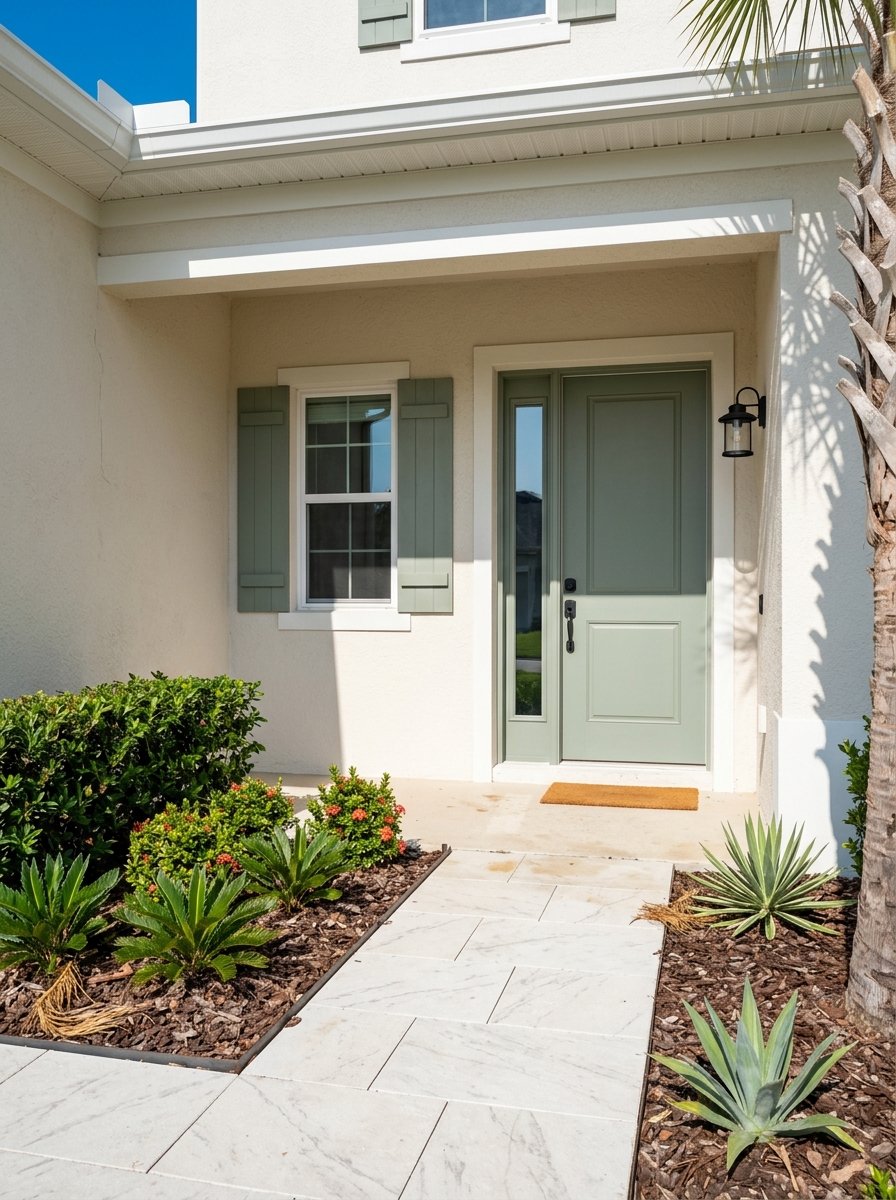
- Improve curb appeal. Pressure wash exterior surfaces and clean screens. Tidy landscaping and check irrigation.
- Schedule professional photos after prep is complete. Staging and good lighting help you stand out online.
Step 3: List, show, get offers (1 day to 8+ weeks)
Once your listing goes live, momentum matters.
- Keep utilities on and set comfortable interior temps for showings. It helps buyers experience the home as move-in ready.
- Plan open houses and showing windows. Quick access often leads to faster offers.
- Review showing feedback and adjust strategy as needed. Your agent will monitor local data to guide pricing and days on market.
- During hurricane season, be ready for weather-related schedule changes. Have your roof, shutters or impact protection details, and any storm repair documentation ready for buyers.
Step 4: Contract to close (30–45 days)
After you accept an offer, most deals follow this rhythm.
- Inspection period: 7–14 days. The buyer typically orders a general home inspection plus WDO and pool inspections if relevant. You may negotiate repairs or credits.
- Appraisal and underwriting: about 7–21 days for financed buyers, depending on lender pace and appraisal scheduling.
- Title search and clearances: The title company or closing attorney searches for liens or judgments. Any issues must be cleared to deliver clear title.
- HOA documents: If applicable, the estoppel letter and any required HOA paperwork should be ordered early to prevent delays.
- Permit and code checks: Unpermitted work can slow things down. Pull your permit history and resolve questions quickly.
Closing day and recording
On closing day, you sign seller documents, transfer keys, and receive funds after title confirms all conditions are met. The deed is recorded with the county soon after. Your agent and the title company will confirm final utility proration and payoff details.
Local factors to prepare for
Climate, roofs, and exterior wear
Central Florida sun, storms, and humidity can wear down roofs, screens, and pool systems faster than in cooler climates. A pre-list roof check and pool equipment tune-up can prevent last-minute negotiations.
WDO and pest concerns
Florida’s climate supports wood-destroying organisms. Lenders commonly require a WDO inspection. Getting a pre-list WDO report can give buyers more confidence and reduce renegotiation risk.
Hurricane season readiness
Hurricane season runs June 1 to November 30. Buyers often ask about roof age and condition, hurricane straps or anchors, and any impact-rated windows or shutters. Keep documentation about prior storm repairs and upgrades handy.
Flood zone awareness
Homes in St. Cloud can fall into different flood zones. Flood status can affect a buyer’s insurance if they use financing. Know your flood zone, share any mitigation improvements you’ve made, and disclose past flood events if known.
Utilities and septic vs. sewer
Confirm whether your home is connected to City of St. Cloud utilities or to private systems. If you have septic, buyers or lenders may request a septic inspection or service records.
HOAs and community rules
If your property is in an HOA, assemble governing documents, contact info, and recent meeting minutes. Ask about estoppel and transfer fees early since those can impact closing speed and costs.
Permit history and code
Pull your property’s permit history and resolve open permits or code items in advance. Unpermitted work often delays closings.
Typical seller costs in Florida
Exact amounts vary by contract and title company. Common categories include:
- Real estate commission, which is negotiated. Many sellers budget 5–6% total.
- Prorated property taxes and utilities.
- HOA estoppel and transfer fees if applicable.
- Title and recording-related fees, and documentary stamp taxes. Party responsibility can vary by county and contract.
- Any agreed seller concessions or closing cost credits.
- Costs to clear title or satisfy liens, if needed.
Ask your title company for a net sheet or closing estimate tailored to Osceola County.
Coordinating your sale and next purchase
If you need to buy and sell at the same time, plan early.
- Contingent offers: Your purchase is contingent on selling your current home. This can work in some situations but may be less competitive.
- Concurrent closings: Close both deals on the same day. Coordinate with both lenders and title companies, and leave a small buffer for delays.
- Bridge loans or HELOCs: These can help you buy first by tapping equity. Terms and qualifications vary, so consult your lender.
- Rent-back: Negotiate to stay in the home for a short period after closing. Set clear terms for rent, timing, and insurance.
Timing tip: If you need sale proceeds for your purchase, allow at least 30–45 days from contract to closing, and work toward a clear-to-close date that aligns with both deals.
Example week-by-week checklist
Use this as a starting point and adjust with your agent.
4–6 weeks before listing
- Gather your deed, survey, recent tax bills, mortgage payoff, appliance manuals, and HOA documents.
- Service the AC and change filters. Address visible moisture or mildew.
- Consider pre-list WDO and roof checks. Schedule needed repairs.
- Start decluttering, deep cleaning, and light touch-ups.
- Ask your agent for a pricing strategy and local comps.
2–3 weeks before listing
- Complete essential repairs and fresh paint where needed.
- Power wash exterior, clean screens, spruce up landscaping.
- Stage key rooms and schedule professional photos.
- Finalize pricing and showing plan.
Listing week
- Activate the MLS listing with photos and floor plan if available.
- Launch showings and open houses. Keep utilities on and the home comfortable.
Under contract (days 0–3)
- Deliver signed contract and seller disclosures.
- Share HOA contacts for the estoppel letter if needed.
- Buyer deposits escrow with the title company.
Inspection window (typically days 7–14)
- Host buyer inspections and respond to repair requests.
- Complete any agreed seller repairs quickly and save receipts.
Appraisal and underwriting (days 7–30)
- Provide timely access for the appraiser. Your agent will help with comps.
- Title works on the search, and you address any payoffs or lien items.
Closing preparation (days 21–45)
- Confirm final payoff amounts and prorations.
- Schedule your signing and the buyer’s final walk-through.
Closing day
- Sign, fund, and hand over keys. The deed records shortly thereafter.
How Forteza Realty supports your sale
You want a trusted local advisor who keeps your timeline on track. With hands-on listing services, smart pricing, and polished digital marketing across Central Florida, Forteza Realty helps you capture strong offers and close with confidence. You also get bilingual guidance in English and Spanish, plus practical support if you plan to buy next. If your next purchase requires credit improvement, our integrated credit-readiness program can help prepare you for mortgage qualification.
Ready to map out your sale and next move in St. Cloud? Connect with Forteza Realty LLC to get a custom timeline, a local pricing plan, and a smooth path from listing to closing.
FAQs
How long will my St. Cloud home be on the market?
- Timing varies by price, condition, and season. Many listings go under contract in 2–8 weeks, but your agent can share current local MLS days-on-market data.
What inspections should I do before listing in Osceola County?
- Consider roof, WDO/termite, HVAC service, pool equipment, and septic if applicable so you can price and market confidently.
What is the typical buyer inspection period in Florida?
- Most contracts give buyers about 7–14 days to complete inspections and request repairs or credits.
How does hurricane season affect my sale timeline?
- June 1 to November 30 can bring weather delays. Be prepared with roof and storm-protection details and build small buffers into your schedule.
What seller costs should I expect at closing in Florida?
- Common items include commission, prorated taxes and utilities, HOA fees, title and recording-related fees, and any concessions. Ask your title company for a net sheet.
What if I need to sell and buy at the same time in St. Cloud?
- Options include a contingent offer, concurrent closings, bridge or HELOC financing, or a rent-back. Coordinate early with your agent, lender, and title companies.
Who provides the estoppel letter for my HOA sale?
- Your HOA or its management company issues the estoppel letter. Request it early since fees and timelines vary and delays can affect closing.