Thinking about buying in a Kissimmee short-term rental community? It can be a smart move, but only if you understand how the area, the rules, and the fees all work together. If you are comparing resort-style homes, condos, or townhomes near Central Florida attractions, this guide will help you spot the details that matter before you make an offer. Let’s dive in.
Why Kissimmee draws short-term rental buyers
Kissimmee is heavily shaped by vacation demand, which is a big reason short-term rental communities are so common here. Experience Kissimmee describes the area as the Vacation Home Capital of the World and highlights more than 30,000 vacation homes.
For you as a buyer, that means this is not just a market of regular residential neighborhoods with a few rentals mixed in. In many parts of the area, vacation use is part of how the community was planned, marketed, and operated from the start.
The local appeal also helps explain the popularity of these communities. Kissimmee is positioned near major attractions, golf, shopping, and outdoor activities, so many buyers look for homes that can serve visiting guests in a resort-style setting.
What short-term rental communities look like
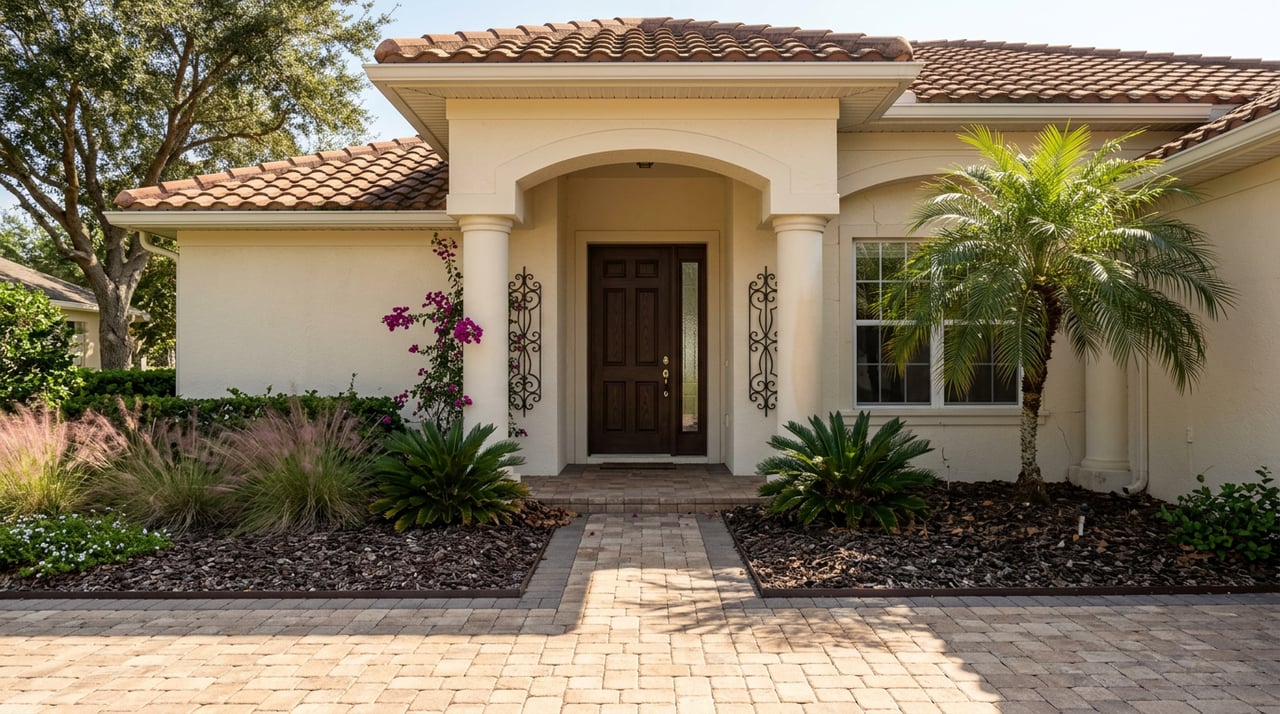
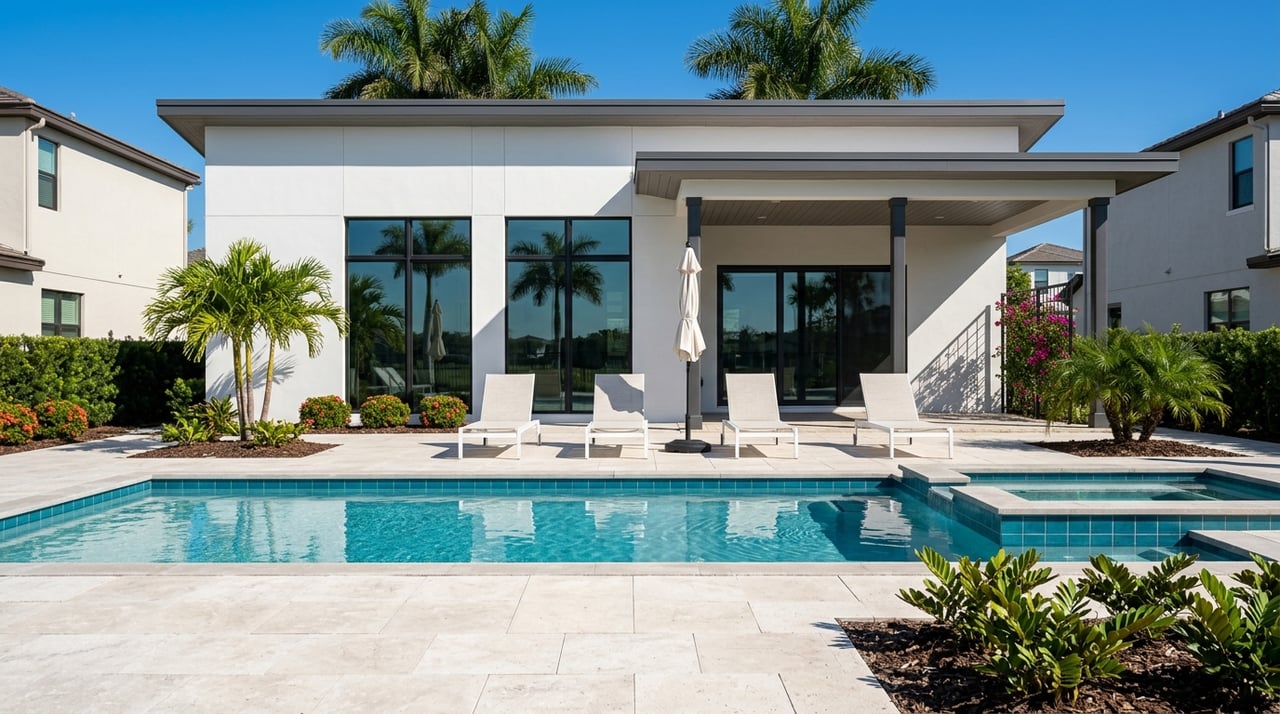
Short-term-rental-friendly communities in Kissimmee often offer more than just a home. You will commonly see condos, townhomes, villas, and detached houses paired with features like gated entry, pools, clubhouses, and other resort amenities.
That variety matters because the ownership experience can look very different from one community to another. A condo in a vacation-focused setting may operate differently than a detached home in a resort neighborhood, even if both are marketed as short-term rental options.
A few well-known examples show the range. Reunion Resort includes vacation homes and villas from 3 to 15 bedrooms, Windsor Hills includes condos, townhouses, and detached homes, and Storey Lake is marketed as a resort master-planned community with clubhouses and shuttle service.
City or county matters first
One of the most important things to confirm is whether a property is inside the City of Kissimmee or in unincorporated Osceola County. This matters because an address may say Kissimmee even when the property is not actually within city limits.
That small detail can change which local process applies to the property. The City of Kissimmee and Osceola County each have their own business tax receipt requirements, and county guidance makes clear that buyers should first confirm whether zoning allows short-term rentals.
Before you get too attached to a listing, make sure you know the exact jurisdiction for that parcel. This step can save you time, money, and stress later.
Licensing and approvals to verify
If you plan to operate a short-term rental, zoning is only the starting point. Osceola County says buyers should first confirm zoning allows short-term rentals, then apply for the state vacation-rental license, and then register the local business tax receipt.
Florida also requires vacation rentals to fit the state licensing framework. State law classifies a vacation rental as a transient public lodging establishment in a condominium, cooperative, or 1- to 4-family dwelling unit, and the Florida Department of Business and Professional Regulation requires a license before operation.
According to the DBPR application materials, applicants need an online account, a Florida sales tax number or proof of exemption, and the addresses of all rental units. The same state guidance also reminds owners to check city and county requirements, which is especially important in the Kissimmee area.
Taxes and recurring costs to expect
Many buyers focus on the purchase price and projected rental income, but the operating costs deserve just as much attention. In Kissimmee short-term rental communities, taxes and local receipts can directly affect your numbers.
Florida imposes a 6% state sales tax on transient rentals for accommodations rented for six months or less. Osceola County also says its Tourist Development Tax is 6% on short-term rentals of less than 180 days.
On top of that, county discretionary sales surtax can apply to transient rentals, and Osceola County’s current discretionary surtax rate is listed at 1.5%. Depending on the property and location, you may also need local business tax receipts as an ongoing requirement.
Why HOA rules matter so much
In Kissimmee, the biggest difference between two similar-looking homes may not be the floor plan or the pool. It may be the community rules and how guest access is handled day to day.
This is why HOA and management documents are so important. A listing sheet may say a home is in a short-term-rental community, but that does not tell you everything about how the property actually operates.
In practice, buyers should expect possible rules or restrictions tied to minimum stay, occupancy, guest registration, parking decals, gate access, pet policies, amenity wristbands, quiet hours, and maintenance standards. The exact mix depends on the association and the property’s approved rental program.
Amenity access can vary
Amenity access is one of the easiest details to overlook. In some communities, access is simple and broadly included, while in others it depends on how the property is booked or managed.
For example, Reunion Resort states that booking through the resort or an approved preferred partner determines whether guests receive full amenity access. Reunion also separately charges parking and a resort fee, and it does not provide RV, boat, or trailer parking.
Windsor Hills presents a different model. Its community information says rentals include access to resort amenities and parking, while also noting that homes are individually owned and operated and that amenities and rental terms can vary by property.
Community examples in Kissimmee
Looking at a few community models can help you understand how wide the range really is. Even within the same market, the ownership experience can be very different.
Reunion Resort
Reunion Resort offers vacation homes and villas with 3 to 15 bedrooms. Community features include 8 pools, a water park, three signature golf courses, shuttle service, and on-site dining.
The key takeaway here is not just the amenity package. It is that guest amenity access can depend on the booking path and approved home access, which can affect how the property is used and marketed.
Windsor Hills
Windsor Hills is a vacation rental home community in Kissimmee with condos, townhouses, and detached houses. Amenities include a water park, clubhouse, fitness center, sports courts, dog park, free parking, no daily resort fees, and 24/7 gatehouse staffing.
For buyers, this shows a different style of community setup. It combines a strong amenity offering with fewer extra daily fees at the community level, though individual property terms can still vary.
Storey Lake
Storey Lake is a resort master-planned community in Kissimmee with two clubhouses, pools, lazy rivers, bars and kitchens, and on-property shuttle service. It is also positioned near major attractions, which supports its vacation-oriented identity.
If you are comparing communities, examples like Storey Lake can help you think beyond square footage. The guest experience, amenity structure, and property operations all shape the long-term fit.
Best questions to ask before buying
Before making an offer, ask for written answers whenever possible. Clear documentation can help you compare properties more accurately and avoid surprises after closing.
Here are some of the most important questions to ask:
- Is the exact parcel inside the City of Kissimmee or unincorporated Osceola County?
- Does zoning allow short-term rentals for this specific property?
- What state licenses, tax registrations, and local business tax receipts are required?
- Do the HOA or condo documents allow short-term rentals, and is there a minimum stay requirement?
- What amenity access is included for guests?
- Are resort fees, parking fees, or other usage fees charged separately?
- What parking rules, guest registration steps, or gate access procedures apply?
- Who handles guest issues, compliance matters, and day-to-day operational requirements?
These questions matter because rules and fees can vary by location, community, and even by property. In this market, details on paper are just as important as the photos online.
A smart way to approach your search
If you are shopping for a short-term rental community in Kissimmee, the best approach is to treat every property as its own case. Even in a well-known vacation area, you still need to confirm zoning, licensing, taxes, and community rules for the exact home you want.
That is where local guidance can make a big difference. When you understand the jurisdiction, the approvals, and the real day-to-day operating model, you can make a more confident decision and avoid buying a property that does not match your goals.
If you want help comparing Kissimmee short-term rental communities and reviewing the details that matter most, connect with Forteza Realty LLC for local, hands-on guidance.
FAQs
What makes Kissimmee a popular short-term rental market?
- Kissimmee has a large vacation-home market, with Experience Kissimmee highlighting more than 30,000 vacation homes, and the area is closely tied to major attractions and resort-style travel demand.
Why does city versus county location matter for a Kissimmee short-term rental?
- A property may have a Kissimmee mailing address but still be outside city limits, and that can affect zoning review and which local business tax receipt process applies.
What licenses are needed for a short-term rental in Kissimmee or Osceola County?
- Buyers should confirm zoning first, then review the Florida vacation-rental license requirement through DBPR, along with any applicable local business tax receipt requirements based on the property’s jurisdiction.
What taxes apply to a short-term rental in Osceola County?
- Short-term rentals may be subject to Florida’s 6% state sales tax, Osceola County’s 6% Tourist Development Tax for rentals of less than 180 days, and the county’s 1.5% discretionary sales surtax where applicable.
What community rules should buyers review in a Kissimmee short-term rental neighborhood?
- Buyers should review HOA or condo documents for topics like minimum stay rules, occupancy limits, guest registration, parking, pet policies, quiet hours, amenity access, and maintenance requirements.
Why can two Kissimmee short-term rental communities feel so different?
- Communities can differ in housing type, amenity access, booking rules, parking policies, extra fees, and how rentals are managed, so two similar listings may operate very differently in practice.