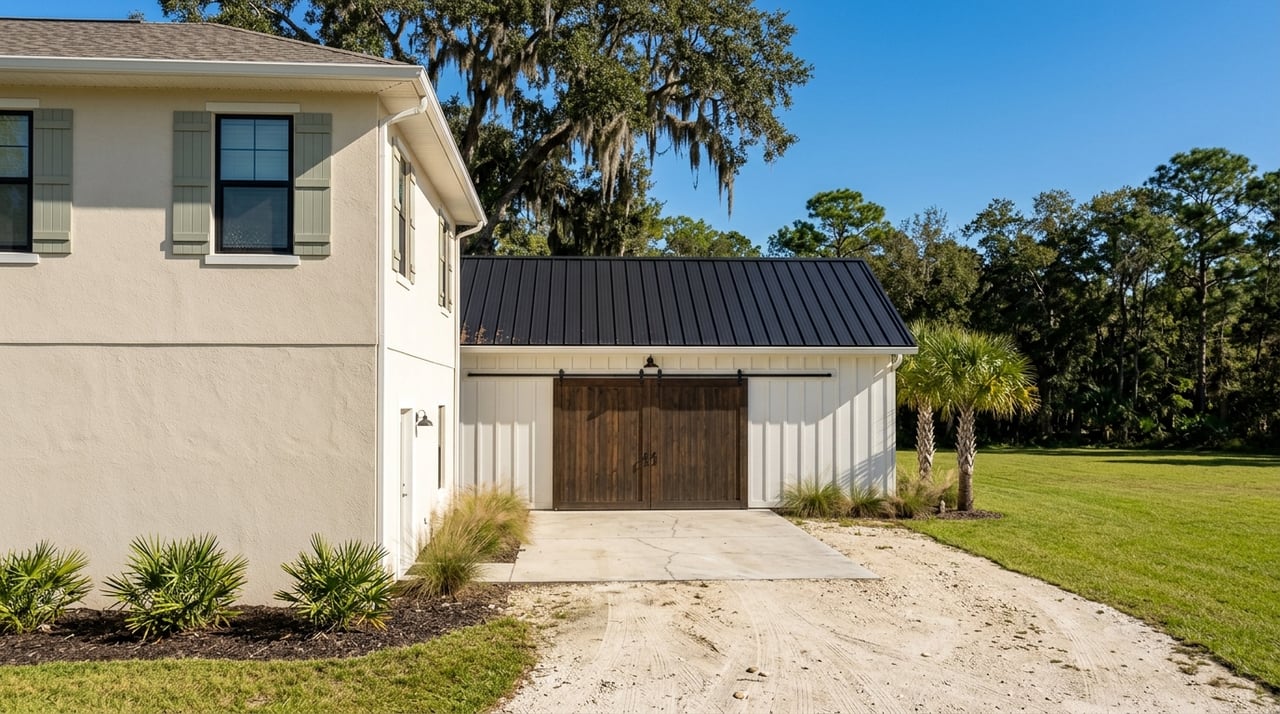
Dreaming about a home with open space, room for horses, and easy access to Ocala’s famous equestrian lifestyle? Buying near Ocala’s Horse Country can be exciting, but it also comes with a different set of questions than a typical home search. If you are considering a property in Marion County, it helps to understand land use, acreage, wells, septic systems, and how nearby equestrian venues may shape daily life. Let’s dive in.
Why Ocala Horse Country Draws Buyers
Ocala and Marion County stand out for more than scenic pasture views. Marion County officially identifies the area as the Horse Capital of the World®, noting that it has more horses and ponies than any other U.S. county, along with 35% of Florida’s horses, 46% of the state’s Thoroughbreds, and more than 195,000 acres used for equine purposes, according to Marion County’s Horse Capital of the World page.
This is also a working horse community, not just a rural backdrop. Marion County describes a full-service equine network that includes veterinarians, feed and tack retailers, blacksmiths, equine dentists, horse transport, barns, stables, and arenas, which helps explain why buyers are often drawn here for both lifestyle and convenience.
A 2024 FTBOA study highlighted on the same county page reported a $4.3 billion equine economic impact and about 28,500 equine-related jobs. That kind of infrastructure can be a major advantage if you want to live near an established horse-centered area.
Property Types You May Find
In Ocala’s horse country, properties can range from smaller ranchettes to much larger farm tracts. For many buyers, the starting point is a property with enough land for a few horses, some pasture, and useful outbuildings.
According to UF/IFAS Marion County, many horse ranchettes are about 2 to 10 acres. That range can work well for hobby farm buyers, but the right fit depends on how you plan to use the land.
You may also see features such as:
- Fenced pasture
- Paddocks
- Barns or stables
- Arenas
- Wash areas
- Space for trucks and trailers
Marion County’s planning documents also recognize equestrian-related uses such as arenas, stables, barns, veterinary clinics, farriers, and feed and tack shops. That is helpful context, but it does not mean every parcel is automatically ready for every use.
How Much Land You Really Need
One of the most common questions buyers ask is how much land is enough. A practical starting point from UF/IFAS Marion County is about 2 acres per horse, although management becomes more important when acreage is limited.
That means smaller properties can still work, but they usually require more thoughtful planning. Pasture rotation, feeding routines, drainage, and manure management all become more important as land gets tighter.
If you are shopping for a hobby farm, it helps to think beyond the total acreage number. You also want to understand how much of the land is actually usable, how it drains, and where structures or future improvements could go.
Check Zoning Before You Fall in Love
This is one of the most important steps in the buying process. Before assuming a property can support horses, a barn, or future additions, you should verify zoning, future land use, and permit requirements through Marion County Planning & Zoning.
Marion County’s Planning & Zoning division handles land use, zoning, transportation, infrastructure, environmental protection, and related approvals. The county’s zoning resources also provide access to land-use determinations, applications, and permit tools.
This matters because rural property can look ideal at first glance but still have limits on what you can build or how you can use it. A parcel may have space for a barn in theory, but county rules and permitting requirements still need to be confirmed.
Wells and Septic Need Extra Attention
Many rural properties near Ocala rely on private wells and septic systems. If that is the case, these systems should be part of your evaluation from the start, not an afterthought.
The Florida Department of Health’s private well testing guidance explains that bacteria and nitrate can reach wells through poorly maintained septic systems, livestock areas, fertilizer, or poorly constructed wells. The department strongly recommends annual private well testing.
Marion County also reports that it has the third-highest number of septic tanks in Florida, with an estimated 124,000 tanks, which shows just how common septic systems are in the area. For buyers, that means it is smart to budget for testing, inspections, maintenance, and any property-specific wastewater considerations.
Drainage Matters More Than You Think
A beautiful piece of land still needs to function well in real life. In horse country, drainage can affect pasture use, footing, animal care, and long-term maintenance.
UF/IFAS Marion County notes that pasture site selection should account for soil drainage, especially since Florida horses can often be fed on pasture nearly year-round. Good drainage can make everyday management easier and help preserve usable outdoor space.
This is also one reason buyers should look closely at where paddocks, barns, turnout areas, and feed storage might go. A property with the right layout and drainage can be easier to manage than a larger parcel with more challenging conditions.
Manure and Runoff Planning Counts
Horse property ownership includes ongoing land care. That is especially true when it comes to manure storage, runoff, and protecting the land itself.
UF/IFAS guidance on manure management advises horse owners to keep manure piles away from runoff, cover them when possible, avoid dumping near sinkholes, and compost or haul waste when needed. These are practical details, but they can make a real difference in how easy a property is to maintain.
When you tour properties, it is worth asking where waste is currently handled and whether there is sensible space for storage or composting. This can help you understand how the property may function day to day.
Living Near Equestrian Venues
For many buyers, location in horse country is not only about the property itself. It is also about access to shows, training, riding, and the broader equestrian community.
The World Equestrian Center – Ocala says its property spans more than 2,000 acres and is the largest equestrian complex in the United States. It also offers free general admission at most events, plus on-site dining, boutiques, and accommodations.
Other major area facilities include the 500-acre HITS Post Time Farm and the 500-acre Florida Horse Park, both of which contribute to the area’s active event calendar. For some buyers, being near these destinations is a major benefit. For others, it may be important to think about seasonal activity levels and road traffic.
Trail Access Can Shape Your Lifestyle
If trail riding is part of your plan, proximity to the Cross Florida Greenway may be a major factor. According to Florida State Parks, the Greenway has more than 80 miles of equestrian trails, with trailheads that include water, shade, hitching posts, restrooms, wash-down areas, and trailer parking.
The Santos area alone offers access to more than 79 miles of equestrian trails westward. That kind of recreational access can be a big quality-of-life benefit if you want more than just pasture at home.
Because of this, some buyers prioritize easier trail access, while others prefer a quieter rural setting a bit farther from major activity centers. Your ideal location depends on how you plan to use the property every week, not just a few times a year.
A Smart Buying Checklist
When buying near Ocala’s Horse Country, it helps to stay focused on practical details. A property can be appealing visually, but the best fit usually comes down to how well it supports your goals.
Here are a few smart questions to ask during your search:
- Is the zoning verified for horses and any future improvements?
- How many usable acres does the property really have?
- Does the land appear to drain well?
- Is there a private well, septic system, or both?
- Have well testing and septic maintenance been addressed?
- Is there enough room for trailers, equipment, or added structures?
- How close do you want to be to shows, trails, and equestrian services?
Taking time to answer these questions early can save you stress later. It can also help you compare properties more clearly.
Why Local Guidance Helps
Horse-country purchases often involve more moving parts than a typical residential search. You may need to look at zoning, land use, pasture conditions, drainage, and utility systems all at once.
That is why early coordination matters. Marion County’s zoning resources, UF/IFAS Extension guidance, and qualified well, septic, or equine professionals can help you make a more informed decision before closing.
If you are exploring property in or around Ocala and want clear, hands-on support, Forteza Realty LLC is here to help you navigate your next move with confidence.
FAQs
What should buyers know about acreage in Ocala Horse Country?
- Many horse ranchettes in Marion County are about 2 to 10 acres, and UF/IFAS offers a general starting point of about 2 acres per horse, though management and drainage still matter.
What should buyers verify about zoning in Marion County?
- Buyers should confirm zoning, future land use, and permit requirements with Marion County before assuming a parcel can support horses, barns, or future improvements.
What should buyers know about wells and septic near Ocala?
- Rural properties may rely on private wells and septic systems, so buyers should plan for inspections, maintenance, and annual private well testing recommended by the Florida Department of Health.
What should buyers know about equestrian venues near Ocala?
- Major facilities like World Equestrian Center – Ocala, HITS Post Time Farm, and the Florida Horse Park help shape the area’s horse-focused lifestyle and may also influence traffic and activity levels.
What should trail riders know about buying near Ocala Horse Country?
- Buyers interested in trail riding may want to consider access to the Cross Florida Greenway, which offers more than 80 miles of equestrian trails and rider-friendly trailhead amenities.