Trying to decide between Kissimmee and Orlando for your next home? You are not alone. Both cities offer strong value, different lifestyles, and very different rules if you plan to host short‑term rentals. In this guide, you will compare prices, commute times, transit, and day‑to‑day living so you can choose with confidence. Let’s dive in.
Quick market snapshot
If you are weighing cost, start with recent sold prices. As of January 2026, Redfin’s citywide median sale price was about $326,000 in Kissimmee and $410,000 in Orlando. These are closed sale medians, which many buyers use as a realistic benchmark when planning a budget. Listing medians often run higher since they reflect asking prices and current inventory mix.
You will see very different price bands across neighborhoods. In Kissimmee and the Poinciana area, many entry‑level single‑family homes often trade in the mid‑$200Ks to mid‑$300Ks, depending on age, lot, and HOA. Orlando covers a wider range, from mid‑$300Ks in many mid‑market areas to much higher price tiers in premium enclaves like Lake Nona and Winter Park.
The bottom line is simple. If your top goal is a lower entry price for more space, Kissimmee usually stretches your dollar farther. If you want a broader range of urban and suburban options, plus proximity to major job centers, Orlando offers that choice at a higher median.
Home types and neighborhood feel
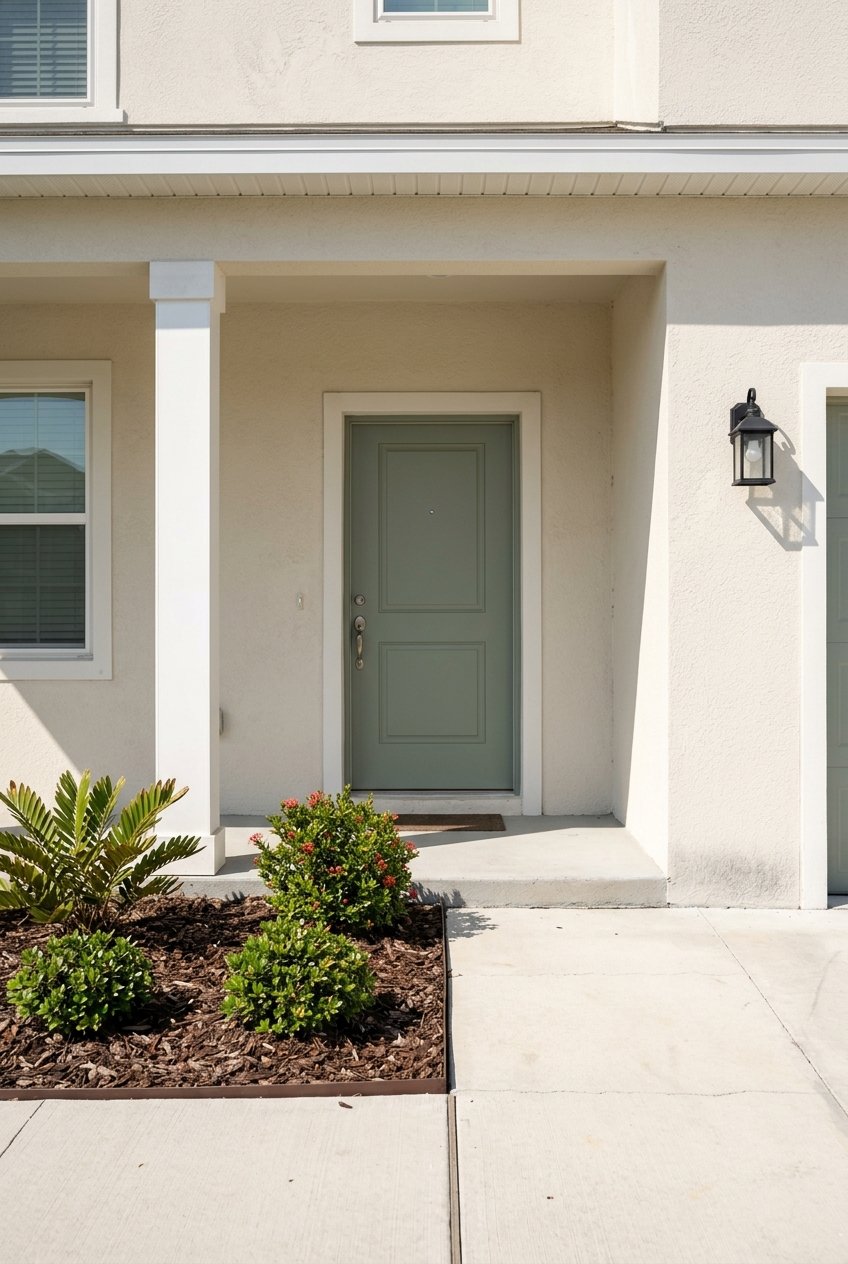
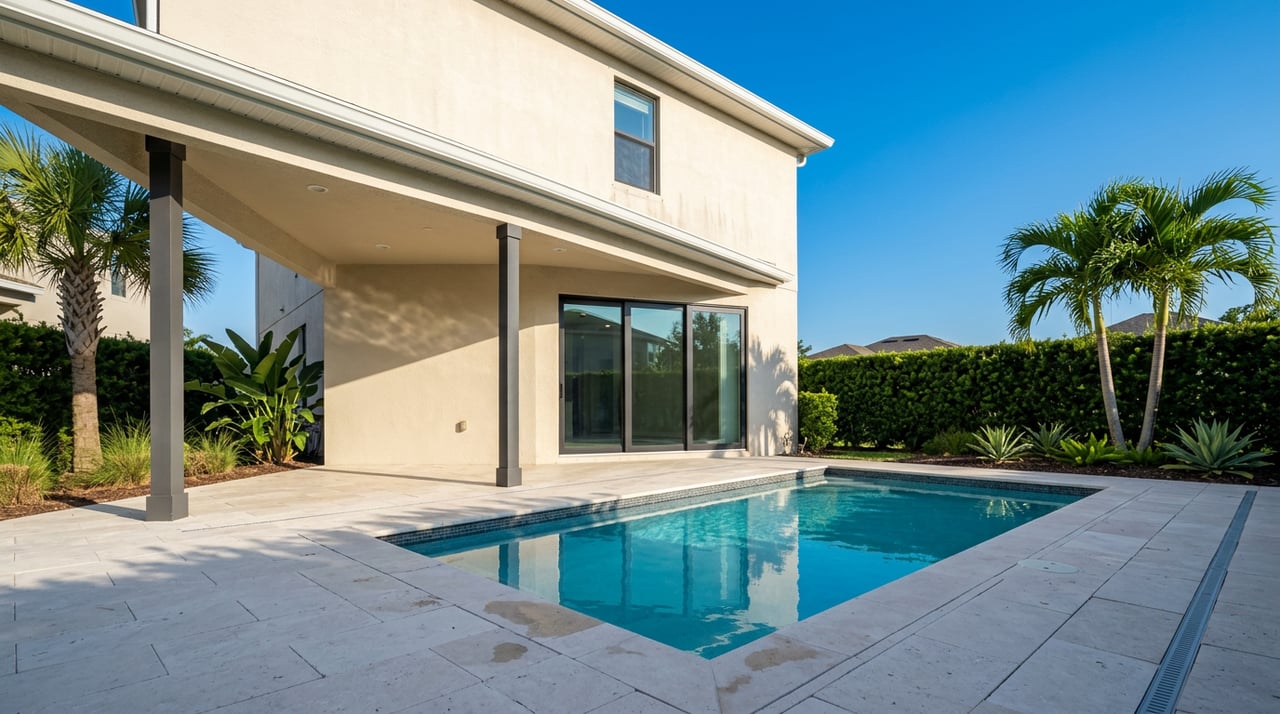
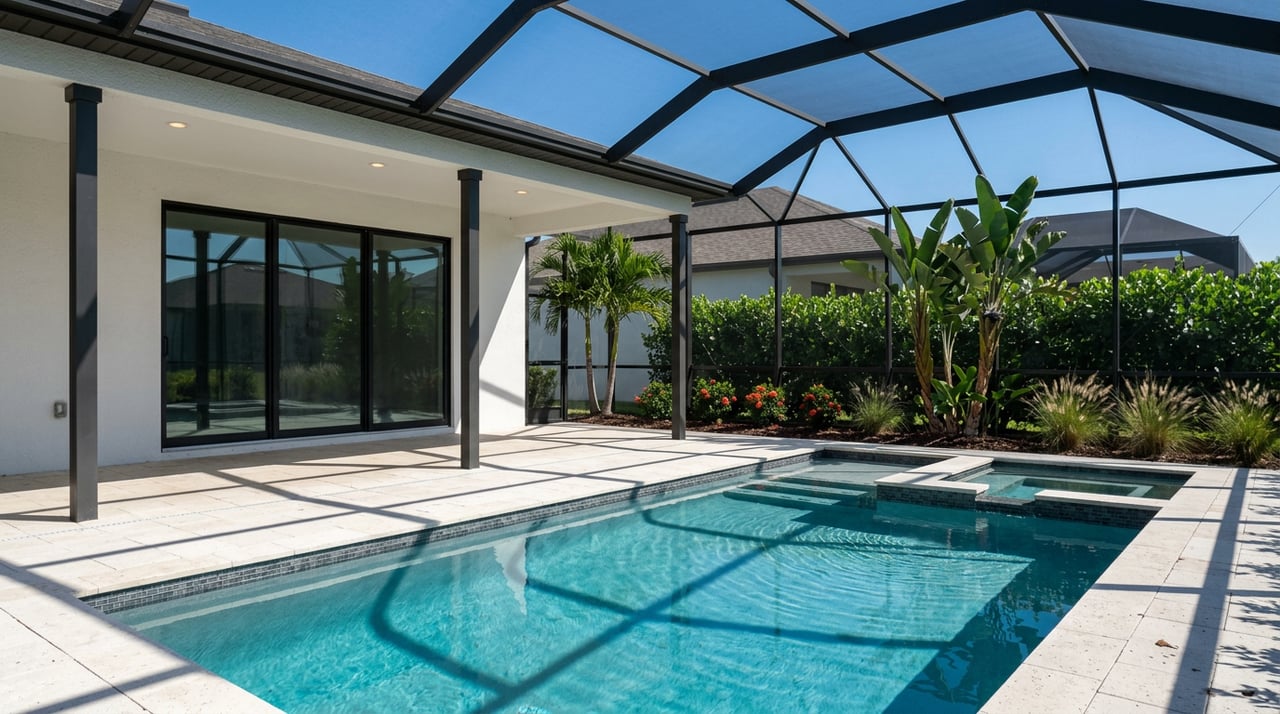
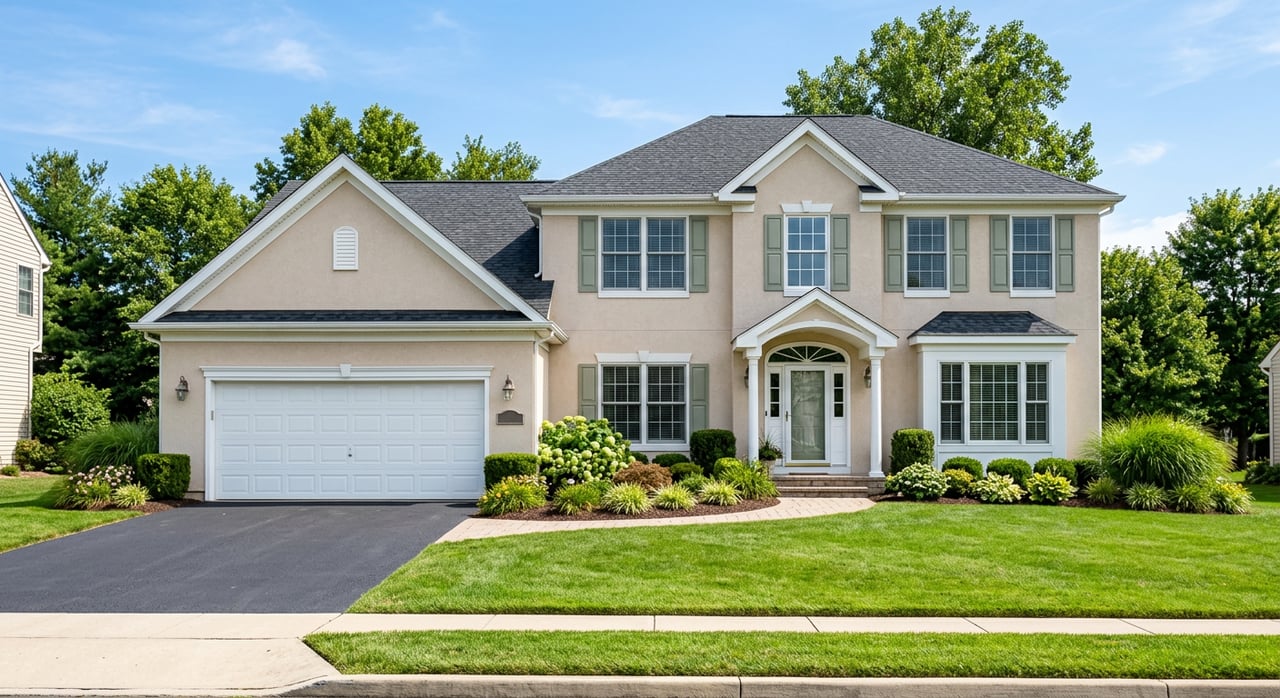
Kissimmee and greater Osceola County feature many master‑planned communities with single‑family homes, plus a healthy mix of condos and townhomes. Around the US‑192 corridor and resort areas, you will also find a visible short‑term rental presence in communities built for vacationers.
Orlando includes downtown condos near Lake Eola and Thornton Park, established single‑family neighborhoods like College Park, and large planned communities such as Baldwin Park and Lake Nona. The variety means you can choose urban walkability, quiet suburbs, or newer construction depending on your needs and budget.
Commute and connectivity
Distance between city centers matters, but so does real‑world traffic. Kissimmee sits roughly 18 to 22 miles south of downtown Orlando. Typical drive times can be 25 to 30 minutes off‑peak and longer during rush hour and major events. For a quick view of the distance and typical route, check the center‑to‑center drive on Travelmath’s Kissimmee to Orlando page, then run live navigation from your exact address during your normal commute window.
Major roads you will use
- Kissimmee: US‑192 (Irlo Bronson Memorial Highway), Florida’s Turnpike, SR‑417, and Osceola Parkway connect to the parks and regional expressways.
- Orlando: I‑4 is the main spine across the metro. SR‑408, SR‑417, SR‑528, and SR‑429 form the expressway loop. You can review SR‑408 details on the CFX traveler page.
Theme‑park traffic, conventions, and holidays can add time. If a 30‑minute maximum commute is non‑negotiable, test the drive from any specific listing during peak inbound and outbound periods before you offer.
Transit options
Both cities are transit accessible, with coverage that expands your choices if you prefer to skip traffic.
- SunRail: Commuter rail serves downtown Kissimmee and extends to Poinciana, linking to Orlando stations. See the SunRail station list to map your options.
- LYNX bus: Regional bus lines connect local routes and SunRail hubs in both cities.
If you want to rely on rail for part of your week, homes near Kissimmee’s SunRail station can be a practical advantage.
Lifestyle differences and rental rules
Tourism is a major economic engine in Osceola County. The visitor economy supports many local jobs, which shapes neighborhood services and housing options. You can see the scale of that impact on the Experience Kissimmee economic snapshot.
Short‑term rental rules differ significantly. In Osceola County, short‑term rentals are allowed only in approved zones under the Short‑Term Rental Planned Development framework. Properties in those overlays must register and follow county rules. Review zoning and licensing steps on the Osceola County STRPD page before you assume rental income.
Inside the City of Orlando, the approach is more limited for whole‑home vacation rentals. The city supports owner‑occupied home sharing under a registration program and applies zoning rules that restrict many commercial short‑term rentals. If you are eyeing a property inside city limits, read the City of Orlando home sharing registration guide to understand what is allowed.
The takeaway is simple. Kissimmee offers more purpose‑built vacation communities, but you must confirm zoning, HOA rules, and licensing. Orlando tends to emphasize owner‑occupied sharing, with fewer legal paths for whole‑home vacation rentals.
Jobs and daily life
Kissimmee and Osceola County lean toward tourism, hospitality, retail, and supporting logistics. For many park‑area roles, living in Kissimmee can shorten your daily drive. Orlando’s economy is larger and more diverse, with major healthcare employers in Lake Nona, higher education at UCF, simulation and defense firms, and a growing tech and office base. If you prioritize a broad set of white‑collar job options and central cultural amenities, Orlando often puts you closer to those hubs.
Schools and services
School options vary by neighborhood in both cities. Orange County Public Schools is a much larger district with numerous magnet and specialty programs, and the School District of Osceola County is growing with new campuses planned in fast‑building areas. Boundaries and program availability can change, so confirm the current assignment and offerings directly with each district before you decide.
For public safety research, use official sources. Citywide summaries can be misleading, and conditions change at the block level. Start with your local police department’s mapping tools or regional platforms like CrimeMapping to review recent reports near any listing.
Which city fits your goals
Use these simple profiles to narrow your search.
- Choose Kissimmee if you want a lower entry price, proximity to theme‑park jobs, newer planned communities for the money, or you plan to invest in short‑term rentals after confirming the STR overlay and HOA rules.
- Choose Orlando if you want broader access to medical, tech, higher education, or defense employers, or if you prefer urban walkability, a wider mix of neighborhoods, and closer access to downtown amenities.
Cost of ownership beyond price
Price is only one piece. Your monthly payment will also reflect taxes, insurance, HOA dues, and any flood considerations.
- Property taxes: Use the county estimator to model millage and exemptions. For Orange County addresses, try the Orange County Property Appraiser tax estimator. Osceola offers similar tools on its property appraiser site.
- Insurance: Florida’s property insurance market is evolving. Review several quotes and follow updates from the Florida Office of Insurance Regulation. For context on recent changes, see the Florida OIR insurance update.
- Flood and elevation: Many inland homes are outside coastal hazard zones, but localized flood risk exists near lakes and streams. Check the FEMA Flood Map Service Center and request an elevation certificate where relevant.
- HOA and community rules: Condo and HOA dues vary. Many resort communities have rental restrictions even if county zoning allows short‑term rentals. Always review the budget, reserves, and covenants.
A 10‑minute due‑diligence checklist
Before you write an offer, verify the details that affect your lifestyle and budget.
- Confirm recent median sale prices for your target ZIP and home type. City medians are a starting point, but small‑area trends matter.
- Commute reality check: Time the route from the exact address to your workplace during peak hours. Revisit it on a different day to confirm consistency. For a quick baseline distance, see Travelmath’s Kissimmee to Orlando route.
- Short‑term rentals: In Osceola County, confirm the STR overlay and licensing steps on the STRPD page. Inside Orlando city limits, review the home sharing registration rules.
- Taxes: Estimate carrying costs with the Orange County tax estimator and your county appraiser tools.
- Flood and elevation: Map the property on FEMA’s Flood Map Service Center and ask about prior flood history and elevation certificates.
- Insurance: Request multiple quotes early and track market updates from the Florida OIR.
- Transit: If rail or bus access matters, confirm schedules and stations on the SunRail station list.
- Safety: Review recent incidents near the address on CrimeMapping or your local police portal.
How Forteza Realty helps you choose
If you want clear, side‑by‑side guidance on Kissimmee versus Orlando, you are in the right place. Our boutique, bilingual team lives and works across Osceola County and the Orlando metro, so you get practical advice on neighborhoods, commutes, and true monthly costs. If you are early in your journey or improving your credit, our Forteza Credit program helps you move from uncertainty to mortgage‑ready with simple, actionable steps in English or Spanish.
When you are ready, we will build a tailored search, run commute tests, confirm STR rules where relevant, and break down taxes and insurance so your choice fits both your life and your budget. Ready to get started? Connect with Forteza Realty LLC. Start Your Home Journey — Empieza Hoy.
FAQs
What are the current median sale prices in Kissimmee and Orlando in 2026
- As of January 2026, Redfin reports about $326,000 for Kissimmee and $410,000 for Orlando, both citywide medians across all home types.
How long is the typical commute from Kissimmee to downtown Orlando
- The center‑to‑center distance is roughly 18 to 22 miles, with 25 to 30 minutes off‑peak and longer during rush hour or major events; always test your route at your normal times.
How do short‑term rental rules differ between Kissimmee and Orlando
- Osceola County allows STRs only in approved overlays with licensing, while the City of Orlando limits whole‑home STRs and supports owner‑occupied home sharing through registration.
What transit options connect Kissimmee and Orlando for commuters
- SunRail links Kissimmee and Poinciana to central Orlando stations, and LYNX buses provide local and regional connections that integrate with those rail stops.
What other costs should I consider besides the purchase price
- Plan for property taxes, insurance, HOA or condo dues, and any flood considerations; use county tax estimators, request insurance quotes early, and check FEMA flood maps for risk.