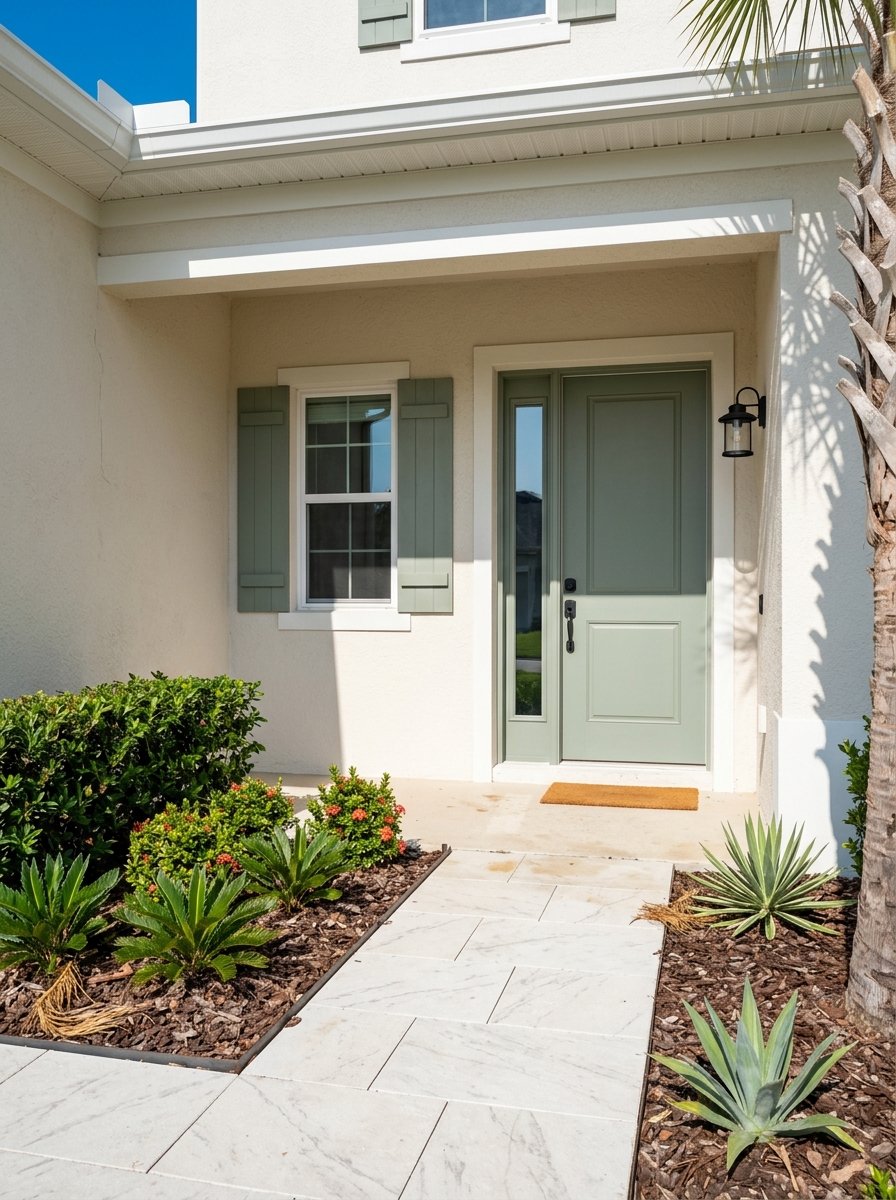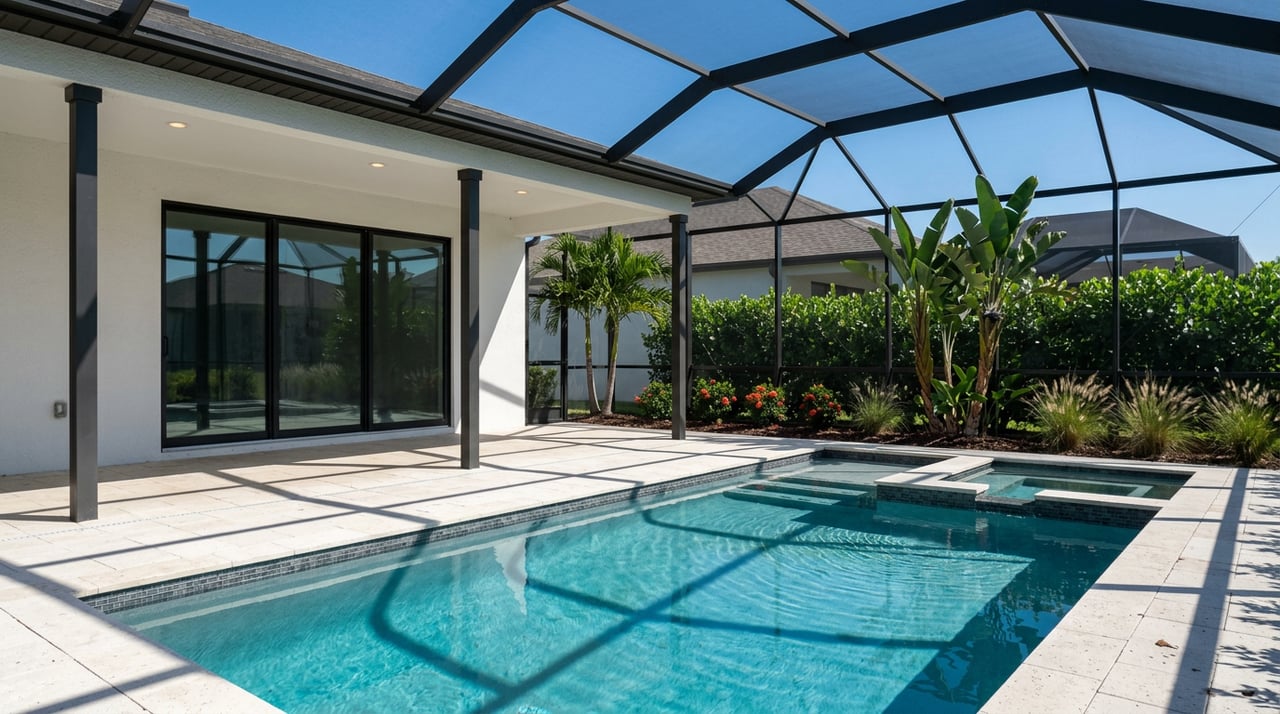
What if your morning commute rolled past palm trees, your weekend plans included a lakefront sunset, and Disney fireworks were a short drive when you felt like a little magic? If you’re curious about everyday life in Kissimmee near the parks, you’re not alone. You want simple commutes, solid neighborhood options, and a community rhythm that feels like home. In this guide, you’ll learn what daily living really looks like here, from traffic and transit to schools, events, and practical planning. Let’s dive in.
Where you live shapes daily life
What “near the parks” really means
Living in Kissimmee often puts you within about 10–20 miles of Disney park entrances, with typical drive times of roughly 15–35 minutes in lighter traffic and longer during rush hours or park opening and closing times. Exact timing depends on your neighborhood and time of day, so build in a buffer on weekends and holidays. To get a feel for routes and timing, try a quick map check from your target address to Magic Kingdom or EPCOT so you can compare options and travel windows using a reference like this drive-distance example.
Kissimmee itself is a fast-growing, diverse city of about 84,756 residents, with a blend of long-term neighborhoods and vacation-oriented areas. Owner-occupancy is about 46.3 percent, the median value of owner-occupied homes is roughly $304,400, and the median household income is about $53,758. The average commute time sits near 33.7 minutes, which lines up with the area’s mix of local and regional jobs. You can explore more local context in the city’s profile on Census QuickFacts.
Getting around Kissimmee
Key roads and peak times
Daily driving here centers on a few main corridors:
- US-192 (Irlo Bronson Memorial Highway) for the tourist corridor, restaurants, and services.
- Osceola Parkway (CR-522) for a direct east-west link between Disney and Turnpike/I-4 corridors.
- John Young Parkway/US-17/92/441 for north-south access through town.
- Florida’s Turnpike and I-4 for regional trips.
Expect heavier traffic near park openings and closings, during standard weekday peaks, and along the 192 corridor on busy tourism days. If your schedule is flexible, you’ll notice a smoother ride by shifting departures 15–30 minutes earlier or later. When possible, use Osceola Parkway for a more direct route to Disney, and keep an eye on event calendars that may impact traffic.
Transit and airport options
If you prefer alternatives to driving, the SunRail/Amtrak intermodal station in downtown Kissimmee connects you to regional commuter rail and local transfers. The station area also supports on-demand shuttles and park-and-ride options, making it a practical hub for some commutes. Learn more about service and schedules at the SunRail Kissimmee station page.
Many residents still rely on cars for daily mobility, but public transit can help for specific routes. For flights, Orlando International Airport is typically a modest drive using SR-417 or the Turnpike depending on starting point and traffic. Try a few test routes during your typical travel window to see what works best for you.
Neighborhoods and amenities near the parks
Neighborhood types you’ll find
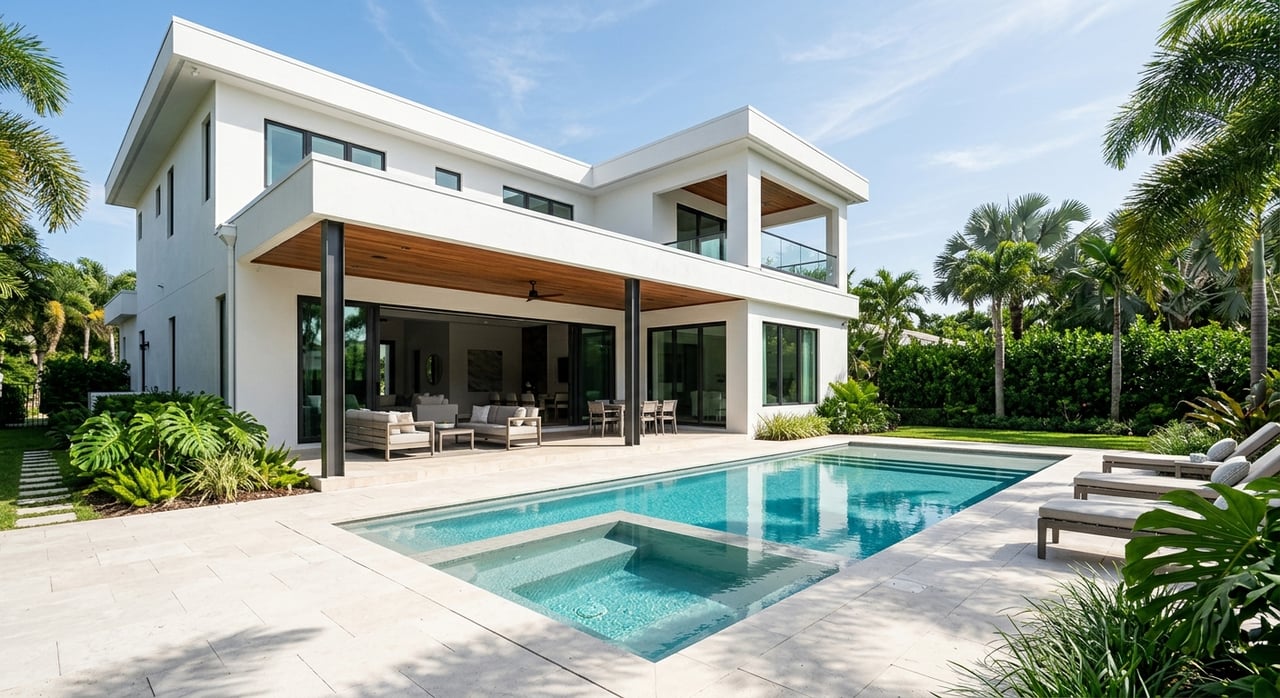
Close to the parks, you’ll see a true mix. Historic downtown and lakefront pockets offer a classic, small-city feel with a walkable Main Street and access to Lakefront Park. Established residential areas, like parts of Buena Ventura Lakes and nearby communities, provide traditional suburban streets and neighborhood parks. You’ll also find planned developments and gated “resort” communities with amenities such as clubhouses and private-pool homes. Along US-192, tourist-oriented zones offer restaurants, shops, and entertainment that serve both visitors and locals.
This blend is the defining feature of living near the parks: quiet residential streets, lively commercial corridors, and a steady flow of visitors in certain pockets. If you want a calmer vibe, focus your home search a few blocks off the main commercial strips.
Food, shopping, and local hangouts
US-192 is packed with dining, from quick bites and family spots to international restaurants. Old Town Kissimmee anchors part of the corridor with classic car shows and amusement-style attractions, while nearby districts like Celebration and Margaritaville’s Promenade bring extra choices for dining and entertainment. For a helpful overview of what’s happening across the area, use the local visitor resource at Experience Kissimmee.
Parks, lakes, and outdoor life
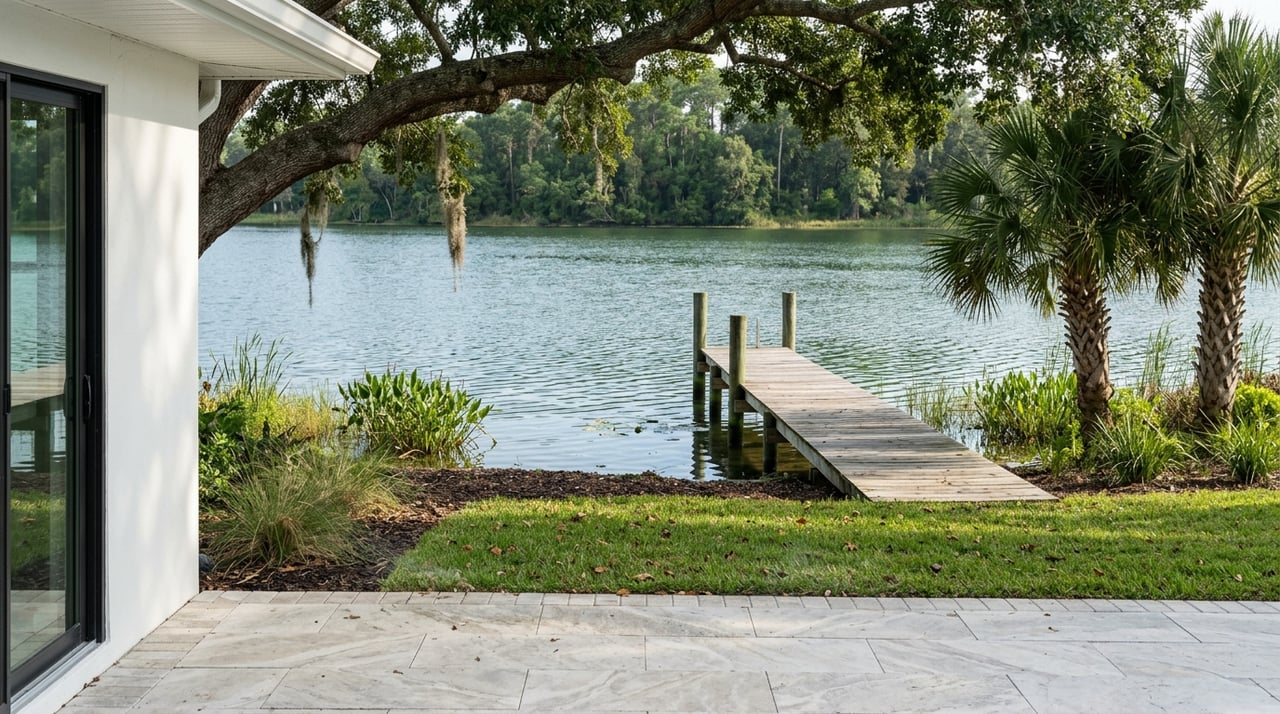
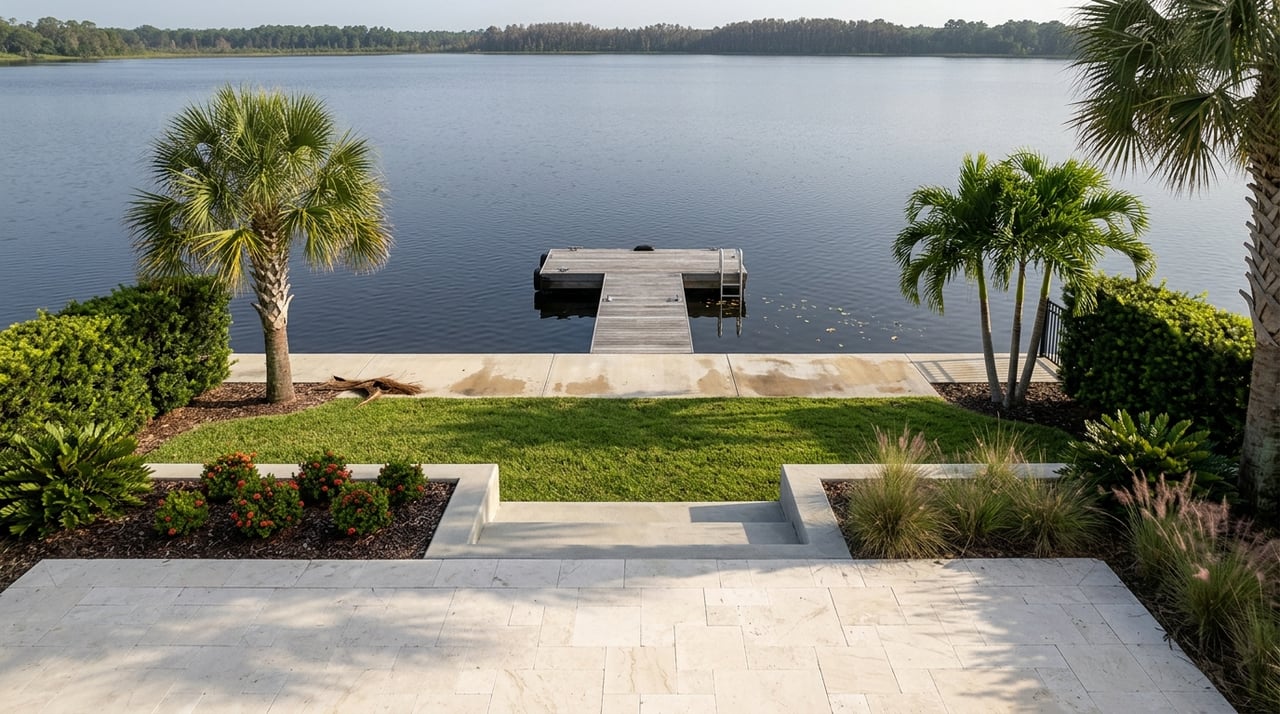
When you need a break from the buzz, nature is close. Shingle Creek Regional Park offers paddling, boardwalks, and shaded trails where you can unwind and spot wildlife. Lake Tohopekaliga, known as Lake Toho, draws boaters and anglers, and its lakefront paths make for a great sunset walk. Explore county parks, trail maps, and recreation programs through the Osceola County Parks page.
Schools and healthcare
Public schools are managed by the School District of Osceola County, which operates elementary through high schools across Kissimmee and nearby areas. Programs and attendance boundaries can change over time, so check official district resources for the latest information. You can start with the district’s website for boundary lookups and enrollment updates at the School District of Osceola County.
Healthcare access is strong, with hospital and medical centers located in and around the city. For specialized care, greater Orlando facilities are a short drive away.
Community rhythm and events
Kissimmee’s calendar stays busy year-round, which adds a neighborly rhythm to everyday life. You’ll see seasonal festivals, cultural celebrations, and family-friendly lakefront events. Examples include the Kowtown Festival, Taste of Kissimmee, Pridefest, Juneteenth, the Monumental Fourth of July fireworks over the lake, and the Kissimmee Valley Farmers Market. Check the city’s official listings to plan your month using the City of Kissimmee events calendar.
In the evenings, Old Town’s weekly car show brings nostalgic energy to the 192 corridor. Between that, live music, and holiday events, you can choose a quieter night at the lake or a livelier scene just a short drive away.
Practical planning before you buy
Housing snapshot and costs
Kissimmee attracts buyers who want proximity to the parks and a range of home options. As a snapshot, the city shows about 46.3 percent owner-occupancy, a median value of owner-occupied homes near $304,400, and a median household income around $53,758, based on recent Census estimates. Many neighborhoods remain more budget-friendly than some nearby Orlando suburbs, which is part of the area’s appeal if you’re balancing commute time with value. Since neighborhood prices shift, ask your agent for the latest MLS data for your target communities. For context and recent city-level stats, see Census QuickFacts.
Short-term rentals 101
If you’re eyeing a home with possible short-term rental potential, do your homework first. Osceola County collects a 6 percent Tourist Development Tax on transient rentals, and owners are typically responsible for registering and remitting taxes. City and county zoning rules vary, and some neighborhoods sit inside specific short-term rental zones while others restrict or require permits. Before you rely on rental income, verify zoning, licensing requirements, and tax registration steps through local planning departments and the Osceola County Tax Collector’s site.
Quick checklist:
- Confirm if the property is inside a designated STR zone or a planned resort community that allows transient stays.
- Ask the HOA about rental rules, parking, and quiet hours.
- Register for required state and county taxes, including the 6 percent county bed tax.
- Get clarity on management, cleaning, and guest screening logistics.
Weather and seasonality
Kissimmee’s humid subtropical climate brings hot, humid summers and frequent afternoon thunderstorms from roughly May through October. Winters are milder and drier, which makes fall and winter prime months for outdoor activities and community events. Hurricane season runs June through November, so plan for storm prep, insurance reviews, and a basic household readiness kit. For a climate overview, see the Kissimmee climate guide.
Safety, traffic, and noise
As in any metro area, safety, noise, and traffic patterns vary by neighborhood. Before you buy, visit target communities at different times, including park closing hours and weekend evenings, to sample traffic and sound. Check local police resources for crime maps or precinct updates, and review HOA rules for parking and quiet hours.
A day in the life near the parks
- Morning: Coffee on the patio, then a quick school drop-off and a short hop to your office using Osceola Parkway. If you work later hours, you beat the peak both ways.
- Afternoon: Pick up groceries along US-192 and squeeze in a sunset walk at Lakefront Park. If traffic looks heavy, flip your route to a neighborhood road and avoid the main corridor.
- Evening: On a weeknight, try a local taco spot or a quiet dinner at home. On the weekend, you might kayak Shingle Creek in the morning and watch fireworks from a nearby overlook at night.
Next steps with a local guide
If living close to the parks fits your lifestyle, the next move is to zero in on the right neighborhood and budget. You deserve straightforward answers on commute tradeoffs, HOA rules, and whether short-term rentals are realistic for your goals. Our team combines local market expertise with bilingual support and practical credit coaching if you need it. Ready to map your options, tour homes, or build a plan toward mortgage readiness? Connect with Forteza Realty LLC. Start Your Home Journey — Empieza Hoy.
FAQs
How long is the drive to Disney from central Kissimmee?
- From many central neighborhoods, expect about 15–35 minutes in lighter traffic and 25–45 minutes or more at park opening and closing times, based on drive-distance benchmarks.
Which Kissimmee roads help avoid peak traffic to the parks?
- Osceola Parkway is a common east-west route to Disney, while US-192 and I-4 see heavier tourism and commuter flows; test both during your usual travel window.
What public transit options do Kissimmee residents use?
- The SunRail/Amtrak intermodal station downtown offers regional rail with local connections, plus park-and-ride options for certain commutes; see the SunRail station page for details.
Can I rent my Kissimmee home short-term near the parks?
- It depends on zoning, HOA rules, and licensing; Osceola County also collects a 6 percent Tourist Development Tax on transient rentals—confirm steps with the Tax Collector.
What outdoor activities are near the tourist corridor?
- Shingle Creek Regional Park offers paddling and shaded trails, and Lake Toho is popular for boating and fishing; explore options on the Osceola County Parks page.
What is Kissimmee’s weather like during summer?
- Expect heat, humidity, and frequent afternoon thunderstorms from roughly May through October, with hurricane season from June through November; see the climate guide for an overview.