If you want a Central Florida city that feels connected, scenic, and easy to settle into, Lakeland deserves a closer look. You may be comparing commute options, neighborhood character, or simple day-to-day lifestyle, and Lakeland stands out because it blends lake views, a historic downtown, and a wide mix of residential areas. This guide will help you picture what everyday life can look like in Lakeland, from outdoor routines to downtown outings to the feel of different neighborhoods. Let’s dive in.
Why Lakeland Feels So Livable
Lakeland sits along the I-4 corridor in Polk County between Tampa and Orlando. According to the City of Lakeland, Tampa is about 36 miles away by road and Orlando is about 56 miles away, which gives you access to two major regional hubs while living in a more mid-sized city setting.
That location can matter if you work hybrid, commute occasionally, or want easier access to jobs, entertainment, and travel across Central Florida. It also gives Lakeland a practical advantage for households that want convenience without living in the middle of a larger metro.
The city has also taken steps to support local business activity. Lakeland recently opened a Business Resource Office to help streamline site evaluation, zoning, permitting, certificate-of-occupancy work, and business tax receipt issuance, which adds to the sense that the city is trying to make everyday logistics more manageable.
Lakes Shape Daily Life
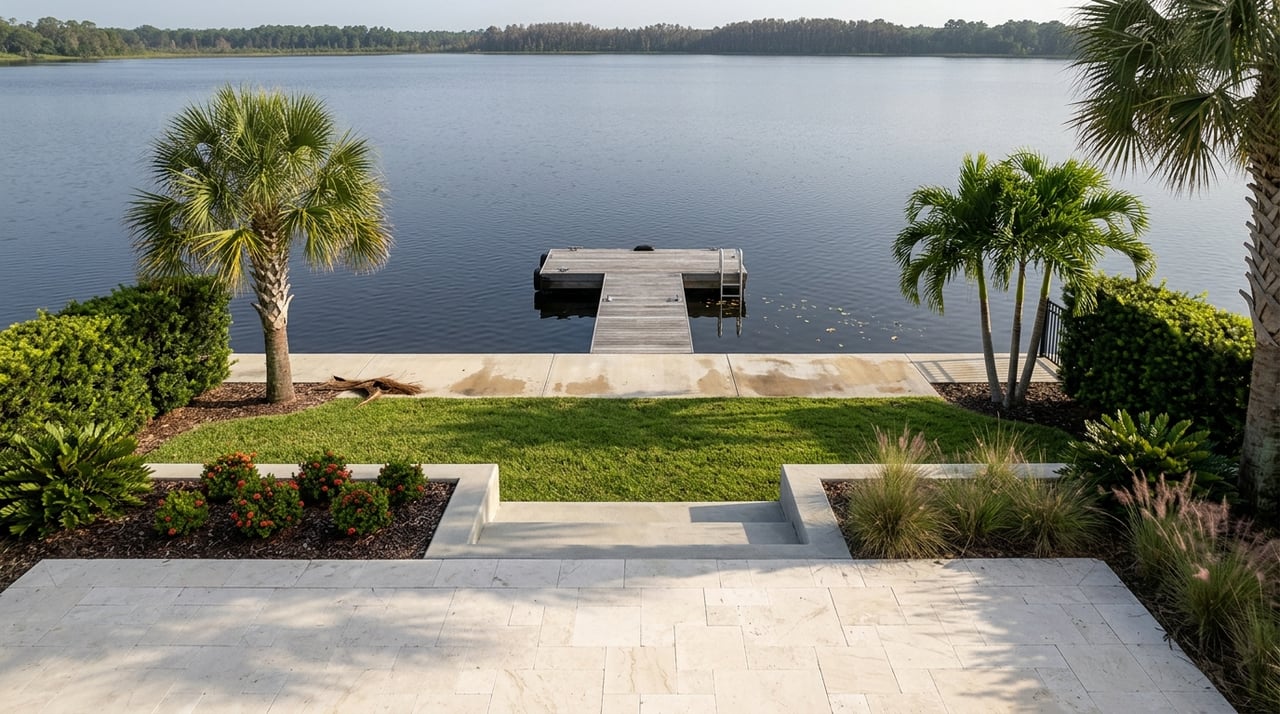
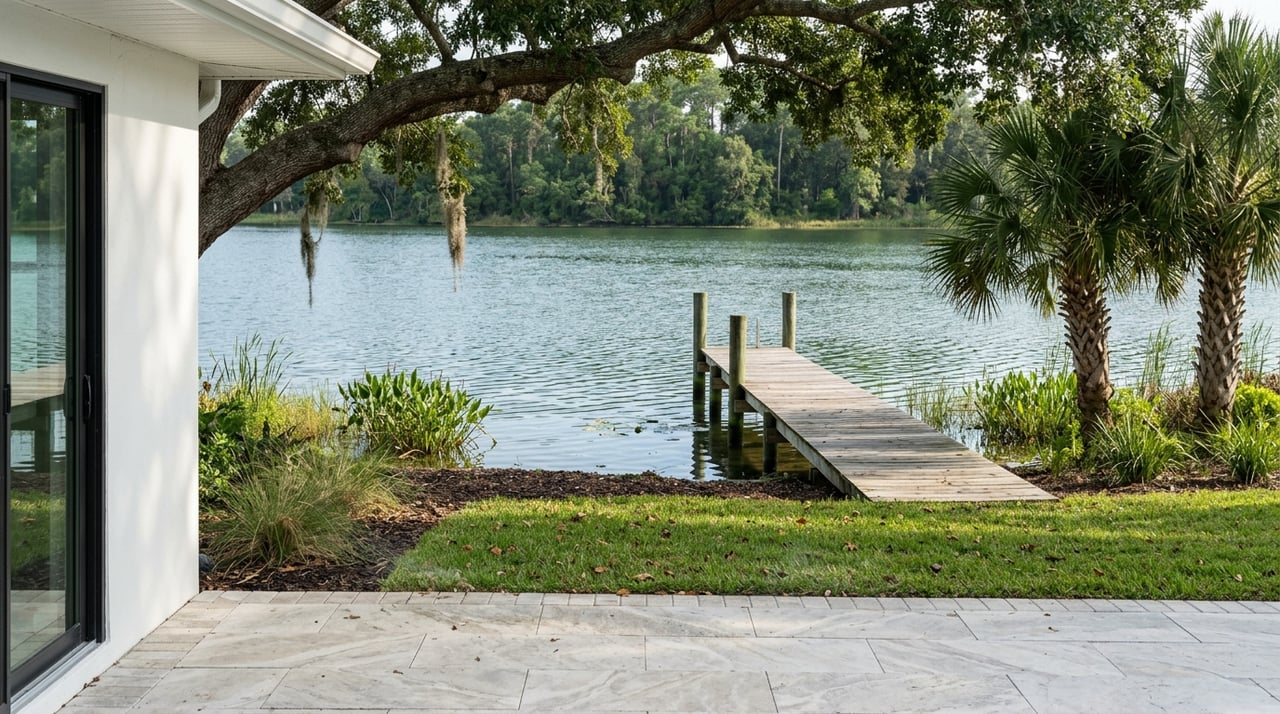
Lakeland is not just a city with a few lakes around it. The city reports that there are 38 named lakes within city limits, and those lakes play a real role in recreation, scenic value, wildlife habitat, and flood reduction.
That lake presence changes the feel of daily life. Even regular errands or a short evening drive can include water views, walking paths, and green space that make the city feel calmer and more open.
The city and Polk County also monitor water quality on 15 major lake systems. That shows Lakeland’s lake identity is tied not only to appearance, but also to conservation and stormwater management.
Lake Parker Adds Active Outdoor Options
Lake Parker is the largest named lake in Lakeland at 2,272 acres. It is one of the clearest examples of how water and recreation come together in the city.
Lake Parker Park covers 88 acres and includes walking trails, a boat ramp, disc golf, pickleball, tennis courts, soccer fields, and picnic pavilions. If you like places where you can walk, play, gather, or spend time outside without planning a full day trip, this park reflects that side of Lakeland well.
Nearby, Lake Crago Outdoor Recreation Complex adds more lake access with a fishing dock, amphitheater, rental spaces, and kayak and canoe access for visitors bringing their own boats. Together, these spaces help explain why outdoor time feels like part of normal life in Lakeland rather than an occasional activity.
Circle B Bar Reserve Expands Nature Access
For a larger outdoor outing, Circle B Bar Reserve in Lakeland offers trails, wildlife watching, a Discovery Center, and lakefront access. Polk County also describes it as an environmental land site used for tours, camps, and educational programming.
That gives residents another layer of recreation close to home. If you enjoy walking trails, birding, or a quieter weekend routine, Lakeland offers more than neighborhood parks alone.
Downtown Lakeland Has Everyday Appeal
Downtown Lakeland offers a different lifestyle advantage. The Munn Park Historic District is described by the city as the urban commercial downtown and central business district, and it still reflects its original grid layout, sidewalks, street lamps, and the role of Munn Park as a public square.
For you, that can translate into a downtown that feels easier to experience on foot. Instead of serving only as a business center, it functions as part of the city’s everyday rhythm.
The historic core also includes the Lake Mirror area and Frances Langford Promenade. These public spaces help connect downtown activity with the city’s scenic identity.
Lake Mirror Brings Beauty to the Core
Lake Mirror adds visual character and public gathering space to downtown. Nearby, Hollis Garden is a 1.2-acre formal garden within historic Lake Mirror Park, with botanical displays, public art, and ornamental fountains.
This kind of setting gives downtown Lakeland more than shops and offices. It creates room for short walks, casual meetups, and low-key weekends that feel pleasant without requiring much planning.
The Lake Mirror Complex also hosts historic tours and other community programming. The city’s Downtown Public Art Trail adds another reason to explore the core on foot.
Parking Supports Downtown Visits
Small details matter when you picture real life in a city, and parking is one of them. The city says street parking and city garages are free after 5 p.m. on weekdays, on weekends, and on city holidays.
That makes downtown more approachable for dinner plans, events, or a short evening stop. It suggests a downtown that can be part of your routine, not just a place you visit when you are ready to deal with extra hassle.
Community Events Create a Local Rhythm
Lakeland’s civic calendar helps shape its personality throughout the year. Recent city pages highlight recurring or annual events such as the MLK Parade, the Hurricane Expo, Red, White and Kaboom at Lake Mirror, and the Lakeland Learn and Grow workshop series.
These events show a city that mixes tradition, preparedness, education, and public gathering. For buyers thinking beyond the house itself, that kind of rhythm can help a place feel more connected and easier to get involved in over time.
Community events also give you a practical way to learn how a city functions. They let you see public spaces in use, understand how busy downtown can feel, and get a sense of how residents interact with the city around them.
Neighborhood Living Varies Across Lakeland
One of Lakeland’s biggest strengths is variety. The city’s preservation materials note that about 6% of Lakeland residents live in its seven historic districts, and older neighborhoods tend to be closer to downtown and more walkable, bikeable, and transit-friendly than newer areas.
That means your experience can vary a lot depending on where you focus your search. Some areas offer historic details and a more traditional street grid, while others feel simpler, more suburban, or more mid-century in style.
Lakeland is not defined by one housing type. City materials point to homes influenced by the 1920s boom era and post-war periods, including bungalow, ranch, masonry vernacular, Mediterranean, and Colonial Revival styles.
Dixieland Offers Classic Historic Character
Dixieland is one of the city’s clearest examples of older neighborhood character. City historic district materials describe it as a traditional urban neighborhood with a street grid, narrow lots, sidewalks, brick streets, and a mature tree canopy.
Its homes are mostly one- and two-story residences, especially Craftsman bungalows, with Colonial Revival, Neoclassical, Mediterranean Revival, Spanish Mission, and frame vernacular styles also present. If you are drawn to established streets and distinctive architecture, this area reflects that side of Lakeland.
Lake Morton Areas Feel Scenic and Established
The South and East Lake Morton districts show another style of neighborhood living. City narratives describe them as early suburban neighborhoods with bungalow and Mediterranean Revival character, narrow lots, brick streets, and lake-oriented views.
Nearby districts such as Biltmore-Cumberland and Lake Hunter Terrace add more variety, including masonry vernacular, Colonial Revival, Tudor Revival, Classical Revival, and Craftsman or bungalow homes. Features like front porches, stoops, carports, and detached garages help reinforce the sense of mixed-era residential character.
What Buyers Should Notice in Lakeland
If you are considering Lakeland, it helps to look beyond price alone. A home near the historic core may offer a different daily routine than one in a more suburban-feeling section of the city.
As you compare options, pay attention to factors like:
- Distance to downtown and lakefront public spaces
- Street layout and neighborhood walkability
- Home style and era of construction
- Access to parks, trails, and recreation
- Commute routes toward Tampa, Orlando, or other Central Florida destinations
These details shape daily life more than a listing photo can show. They also help you decide which part of Lakeland best fits your routine, budget, and long-term goals.
Why Lakeland Appeals to Many Lifestyles
Lakeland works for a wide range of buyers because it combines regional access with a more grounded local feel. You can have lake-centered recreation, a historic downtown, active public spaces, and neighborhoods with very different personalities all in one city.
For some buyers, that means finding a place with more character and outdoor access. For others, it means choosing a Central Florida location that feels practical for commuting, relocation, or simply creating a lifestyle that balances convenience and breathing room.
If you are exploring Lakeland or comparing it with other Central Florida cities, having local guidance can make the process much clearer. Forteza Realty LLC offers hands-on buyer support, relocation guidance, bilingual service in English and Spanish, and practical help through Forteza Credit for buyers who want to prepare for mortgage readiness.
FAQs
What is everyday life like in Lakeland, Florida?
- Everyday life in Lakeland often centers around lakes, parks, downtown public spaces, and neighborhoods with a mix of historic and suburban character.
How many lakes are in Lakeland, Florida?
- The City of Lakeland says there are 38 named lakes within city limits.
What is downtown Lakeland known for?
- Downtown Lakeland is known for the Munn Park Historic District, Lake Mirror, walkable public spaces, historic character, and community programming.
What outdoor activities are available in Lakeland, Florida?
- Lakeland offers walking trails, boating access, fishing areas, disc golf, pickleball, tennis courts, soccer fields, wildlife watching, and lakefront parks.
What kinds of homes are common in Lakeland neighborhoods?
- Lakeland includes a mix of housing styles such as bungalows, ranch homes, masonry vernacular homes, Mediterranean Revival, Colonial Revival, and other historic residential styles.