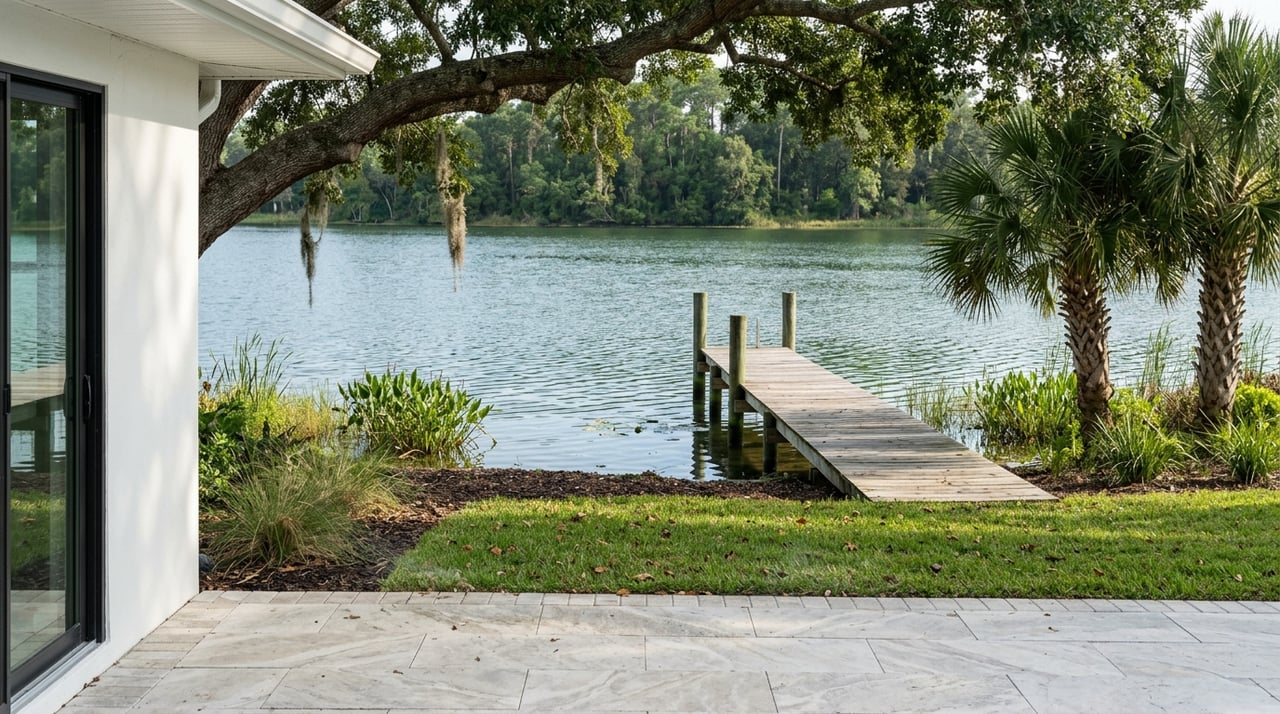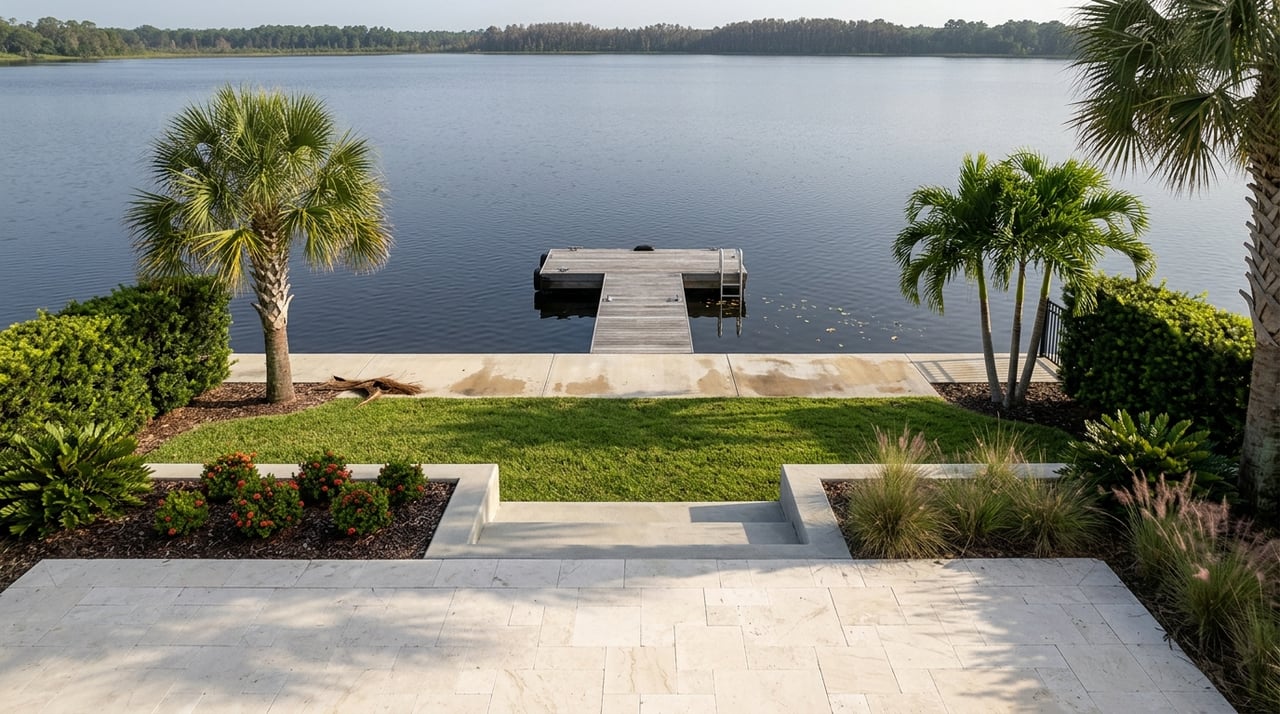
What does “lake life” really mean in Winter Haven? It is not just a few waterfront homes or a weekend boat launch. In Winter Haven, lakes shape the way you move through the city, the neighborhoods you explore, and the kind of daily lifestyle you can build. If you are thinking about buying or relocating here, this guide will help you understand how Winter Haven’s neighborhoods and lifestyle fit together. Let’s dive in.
Winter Haven’s Lake Identity
Winter Haven is deeply connected to water. The City says there are 50 lakes within or bordering the city limits, including the 22-lake Winter Haven Chain of Lakes, which covers about 9,000 acres and is divided into North and South sections.
That scale matters when you are choosing where to live. Instead of one isolated lakefront pocket, Winter Haven offers a broader lake-centered setting that reaches across multiple parts of the city. That gives you more ways to enjoy the water, whether you want boating access, trail views, or a neighborhood near a lake-adjacent street.
Public Lake Access Across the City
One reason the lake lifestyle feels so accessible is the number of public entry points. The City’s lake reporting focuses on lakes with public access, including parks, boat ramps, and navigable canals from another publicly accessible lake.
The Florida Fish and Wildlife Conservation Commission identifies popular access points on the South Chain at Summit, Shipp, Howard, Cannon, and Hartridge. On the North Chain, it highlights Conine, Rochelle, and Haines. For you, that means lake recreation is woven into everyday life in more than one area of Winter Haven.
Parks, Trails, and Everyday Living
Lake life in Winter Haven is not only about being on a boat. It also shows up in the parks, trails, and public spaces that connect residents to the water and to each other.
The City says Winter Haven has more than 13 miles of trails. That includes the 3.6-mile Chain of Lakes Trail, a 1.5-mile trail on Lake Howard, and a one-third-mile loop at Lake Hartridge Nature Park.
How Trails Shape the Lifestyle
If you enjoy walking, biking, or spending time outdoors, these trail connections add a lot to daily life. They create easy ways to experience the city’s lake setting without needing to live directly on the shoreline.
Downtown also adds to that convenience. The City describes downtown Winter Haven as the heart of the city, with pedestrian-friendly sidewalks, trail connections, and a public bus terminal. That mix can appeal to buyers who want a setting where errands, events, and outdoor time feel close together.
Community Spaces That Add Value
Winter Haven’s recreation system includes neighborhood parks, nature parks, fishing access points, and downtown event spaces. Downtown Trailhead Park includes a large playground and splash pad, and the Winter Haven Public Library Downtown adds another everyday community anchor.
These features help paint a fuller picture of the area. The appeal is not just scenic water views. It is the combination of lakes, public spaces, and practical places you may use throughout the week.
Neighborhoods That Reflect Winter Haven
Winter Haven does not present one single neighborhood style. Its character comes from a mix of downtown blocks, older residential districts, and lake-adjacent streets that have developed over time.
That is helpful if you want options. You may be drawn to historic architecture, a more walkable setting, or a residential area with a long-established feel near the water.
Downtown Winter Haven
Downtown Winter Haven offers a more mixed-use and urban feel than many surrounding residential areas. The Downtown Winter Haven Historic District covers about 15 acres and includes 35 buildings, with one- to six-story structures and architectural styles such as Masonry Vernacular and Mediterranean Revival.
The district historically included commercial enterprises, offices, hotels, and a theater. Today, city materials continue to frame downtown as a center of community life with walkable connections, events, and neighborhood activity. If you like the idea of being close to trails, parks, and local gathering spaces, downtown may be the part of Winter Haven you picture first.
Pope Avenue and Lake Howard
West of downtown, the Pope Avenue Historic District sits on the eastern shore of Lake Howard. National Register documentation describes it as one of Winter Haven’s oldest suburban neighborhoods.
The homes here reflect a range of influences, including Bungalow/Craftsman, Colonial Revival, Mediterranean Revival, Prairie, and Frame Vernacular. For buyers, this area helps show how Winter Haven’s lake lifestyle can feel residential and established, with older homes and proximity to a well-known lake.
Winter Haven Heights and Lake Martha
The Winter Haven Heights Historic Residential District developed mainly between about 1907 and 1946. It includes homes on streets such as Lake Martha Drive and shows a broad mix of styles, including Bungalow, Mission, Ranch, Tudor Revival, Dutch Colonial Revival, Colonial Revival, and Prairie.
This part of the city reflects another side of Winter Haven. Instead of one repeating look, you see a layered residential pattern shaped by different eras of growth. That variety can be a real plus if you want a neighborhood with visual character and a less uniform feel.
What Homes in Winter Haven Look Like
Winter Haven’s housing stock is diverse, both in age and in style. National Register documentation says neighborhoods around downtown include everything from modest vernacular homes to larger two-story Mediterranean Revival residences.
That mix is one of the city’s defining strengths. You are not limited to one housing type or one era of development, which can open up more choices depending on your budget, design preferences, and long-term goals.
Historic and Traditional Homes
If you love architectural character, Winter Haven offers many recognizable historic forms. Across the city’s documented districts, styles include Craftsman bungalow, Masonry Vernacular, Mediterranean Revival, Frame Vernacular, Mission, Tudor Revival, Prairie, and Colonial Revival.
These homes can give a neighborhood a strong sense of place. They also help explain why Winter Haven often feels more textured and varied than a purely master-planned community.
Newer Construction and Mixed Housing Types
Winter Haven is not only about historic housing. The City’s planning framework allows a range of housing types in traditional neighborhood areas, including accessory units, apartments, condominiums, townhouses, and single-family residences.
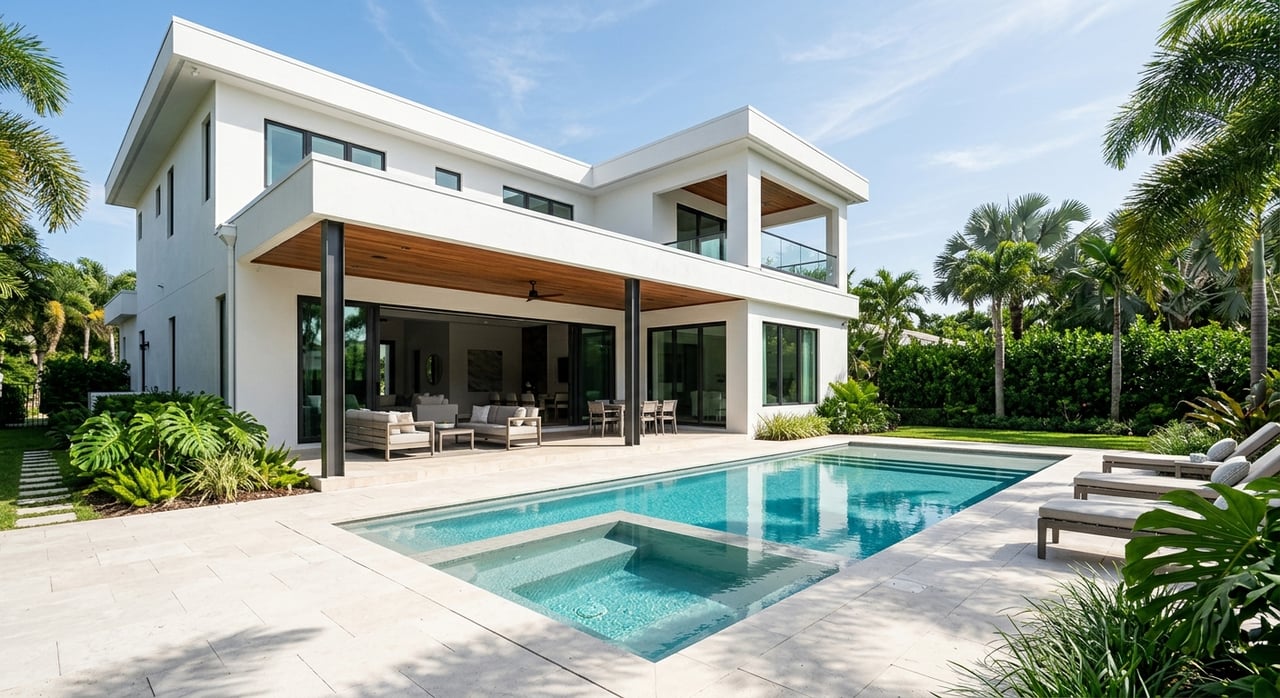
The City’s Building Division also continues to process residential certificates of occupancy for new single-family homes. For you, that means the local market includes both established homes and ongoing new construction, which can be helpful whether you want older charm, lower-maintenance options, or a more recently built property.
The Lifestyle Beyond the Water
A great neighborhood is about more than what is outside your window. In Winter Haven, the lake setting is reinforced by attractions and public spaces that add to daily life and weekend plans.
One of the most recognizable examples is Cypress Gardens at LEGOLAND Florida. LEGOLAND describes the preserved botanical garden as featuring shaded walking paths, views of Lake Eloise, and the historic banyan tree, while also preserving a site known for its water-ski history.
Historic and Cultural Anchors
Downtown also adds cultural texture. The City describes The Ritz as a beautifully restored landmark with updated seating, sound, and lighting that hosts live entertainment in a historic setting.
Together, places like The Ritz, downtown parks, the library, and the trail system support a lifestyle that feels active and connected. For many buyers, that balance is a big part of Winter Haven’s appeal.
How to Think About Your Move
If you are considering a home in Winter Haven, it helps to match your search to the kind of daily life you want. Some buyers care most about easy access to the Chain of Lakes. Others want walkability near downtown, a historic home with architectural detail, or a newer single-family property with a different layout and maintenance profile.
A clear neighborhood strategy can save time. When you understand how Winter Haven’s lakes, trails, housing mix, and historic districts work together, you can focus on the areas that best fit your goals.
Whether you are buying your first home, moving up, relocating within Central Florida, or exploring investment property, local guidance makes a difference. The right support can help you weigh lifestyle, housing type, and budget with more confidence. When you are ready to explore Winter Haven in a practical, personalized way, connect with Forteza Realty LLC for trusted guidance in English or Spanish.
FAQs
What makes Winter Haven known for lake life?
- Winter Haven has 50 lakes within or bordering the city limits, including the 22-lake Winter Haven Chain of Lakes, along with public access points, parks, and trails that make the water part of daily life.
Is downtown Winter Haven walkable for daily activities?
- Yes. The City describes downtown Winter Haven as pedestrian-friendly, with sidewalks, trail connections, and a public bus terminal serving the area.
What kinds of homes can you find in Winter Haven neighborhoods?
- Winter Haven includes a mix of historic bungalows, vernacular homes, Mediterranean Revival houses, older suburban residential areas, mixed housing types, and newer single-family construction.
Which Winter Haven areas reflect the city’s historic character?
- Downtown Winter Haven, the Pope Avenue Historic District near Lake Howard, and the Winter Haven Heights Historic Residential District near Lake Martha all reflect documented historic character and varied architecture.
Does Winter Haven offer lake access beyond private waterfront homes?
- Yes. Public access is part of the city’s lake story, with parks, boat ramps, and connected waterways serving multiple lakes across the North and South Chain areas.
Is Winter Haven’s housing pattern uniform across the city?
- No. Official historic district records show a patchwork of downtown blocks, older suburban neighborhoods, lake-adjacent streets, and a broader mix of residential types across the city.