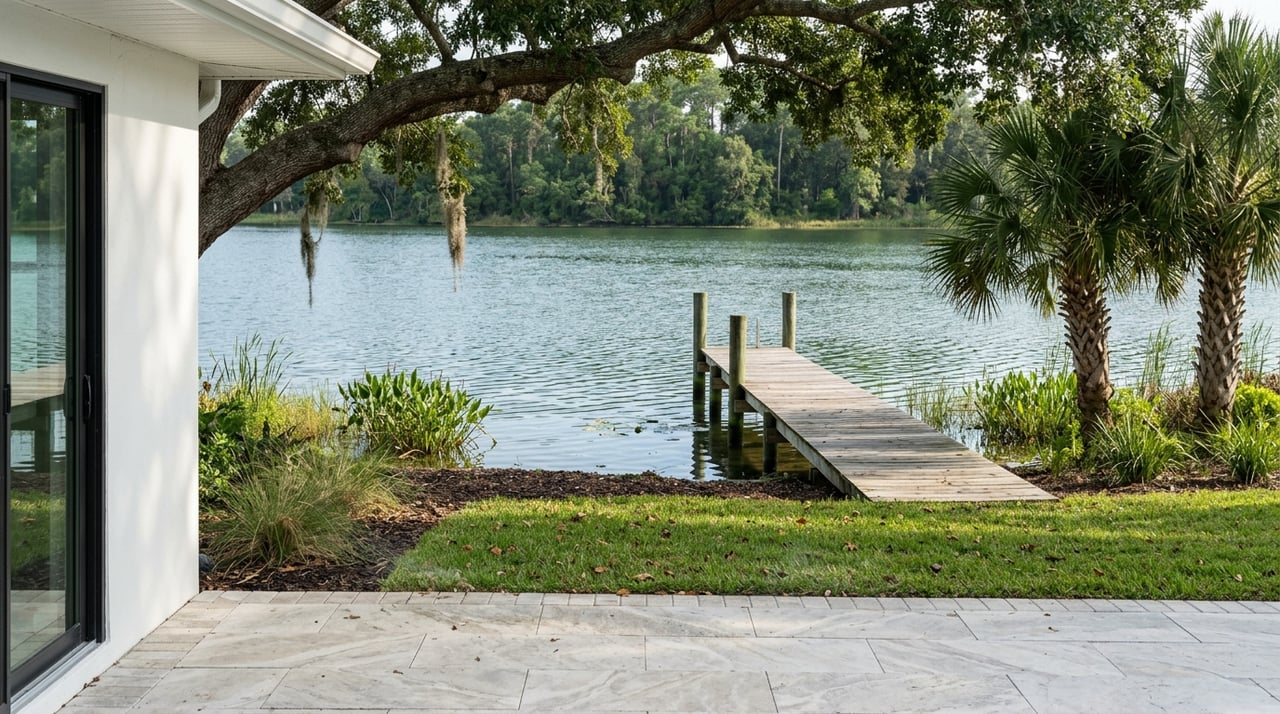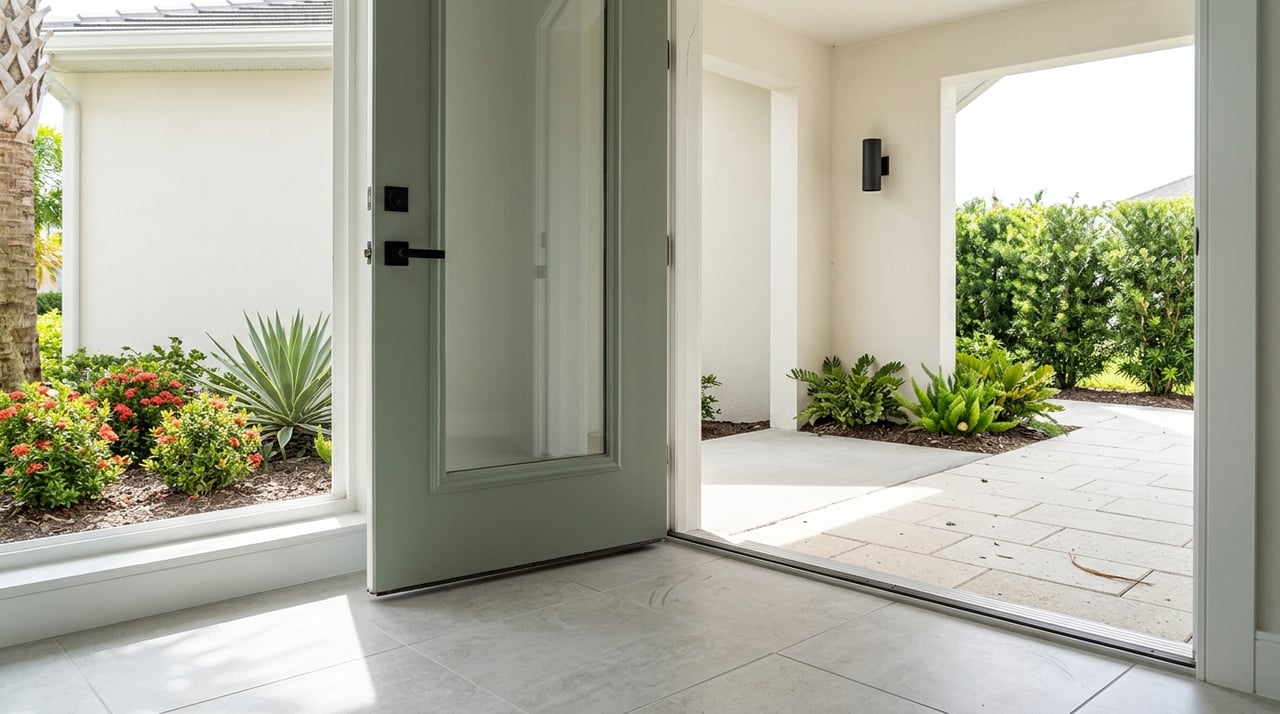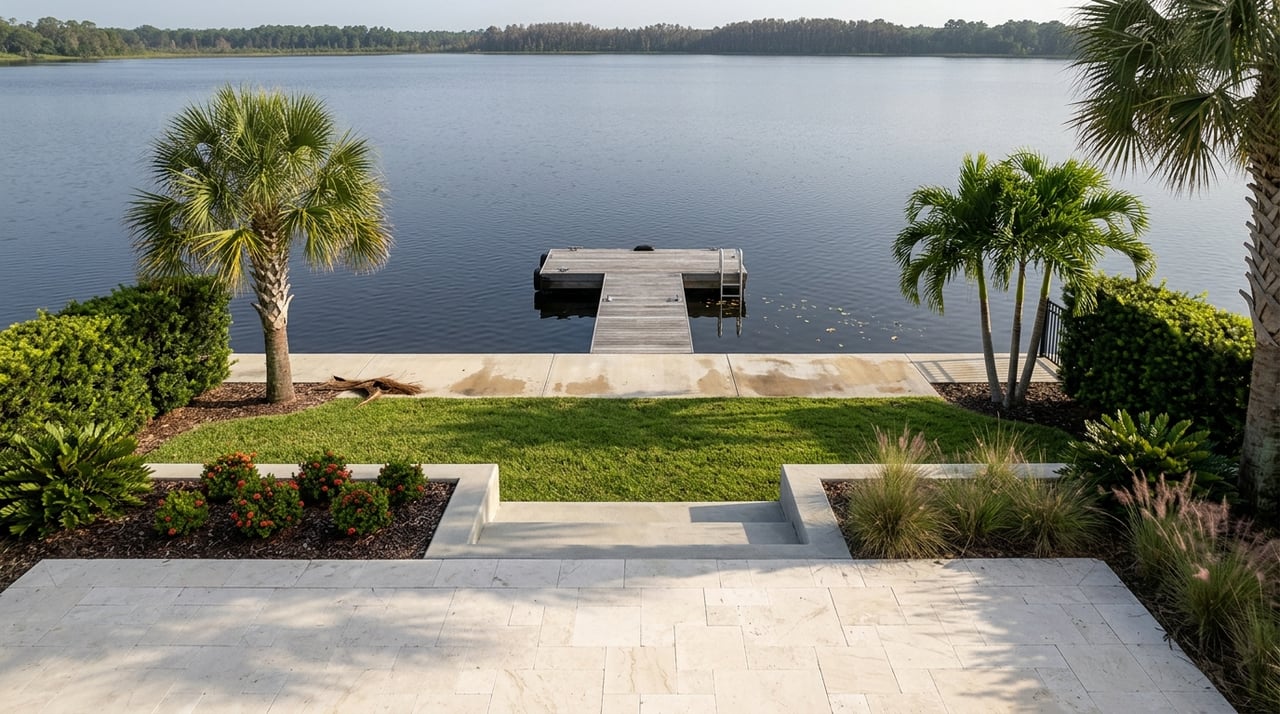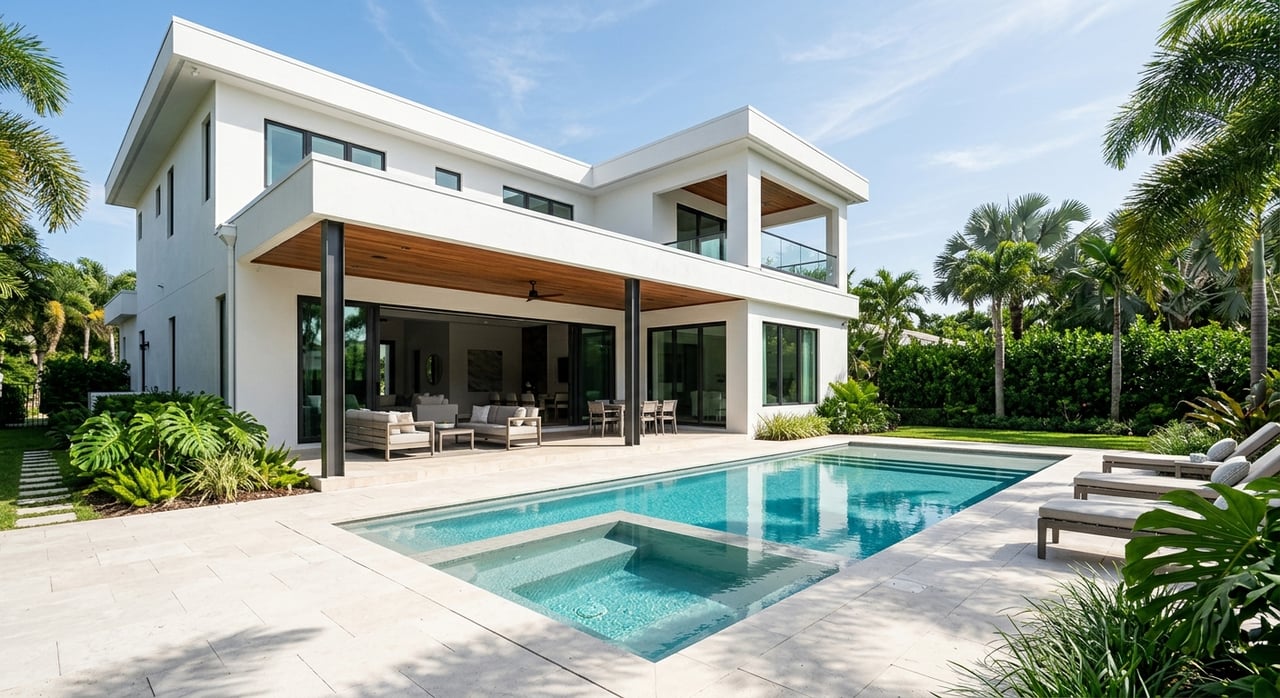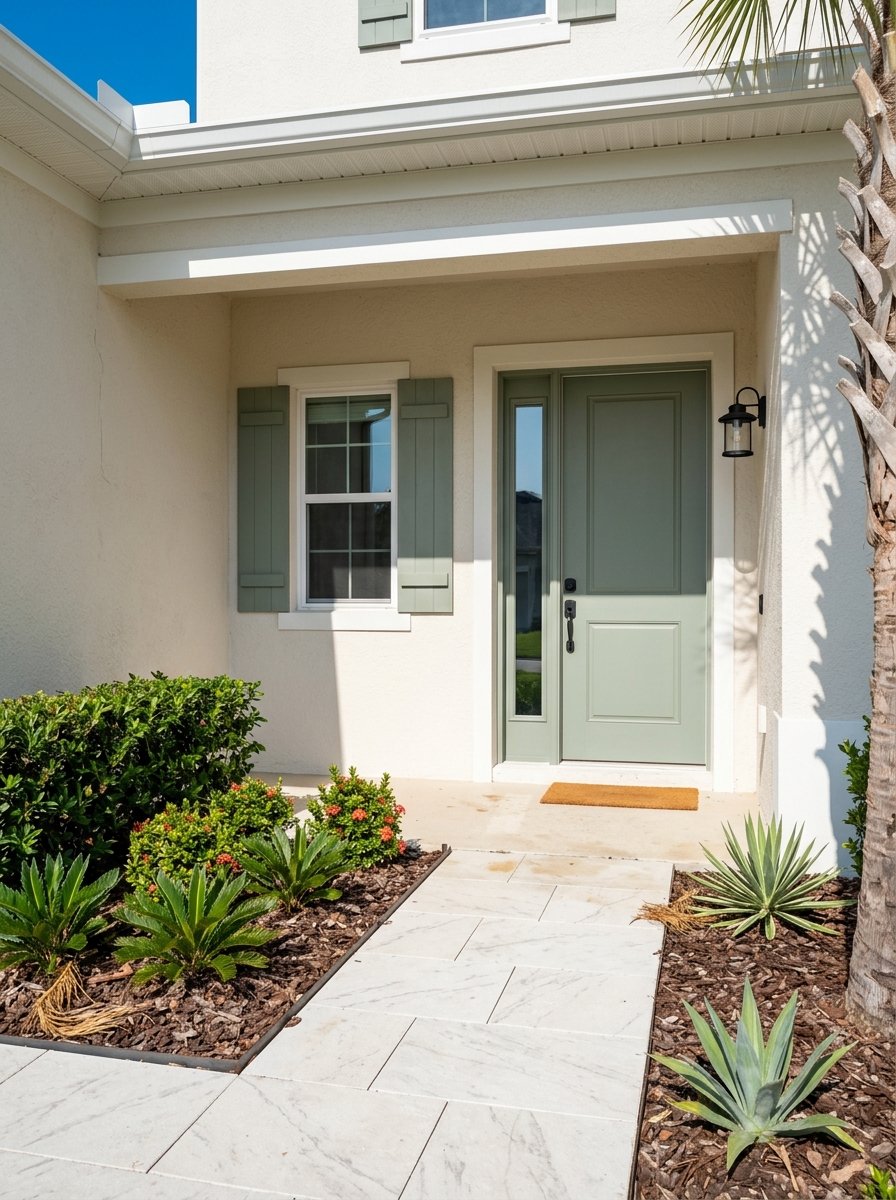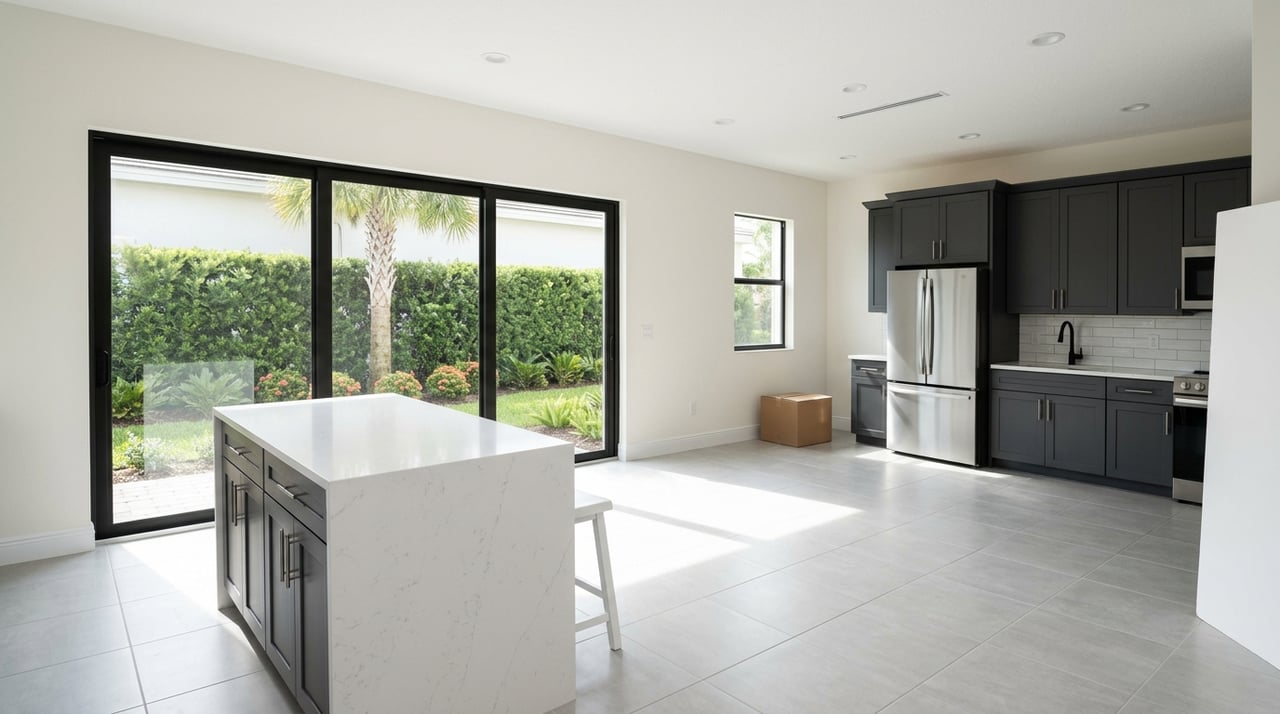
Buying a brand-new home in St. Cloud can feel exciting and overwhelming at the same time. You may love the idea of a fresh start, modern layouts, and builder incentives, but you also need to understand deposits, timelines, design costs, inspections, and monthly ownership expenses. If you want to buy new construction with fewer surprises, this guide will help you focus on what matters most in St. Cloud. Let’s dive in.
Why new construction in St. Cloud stands out
St. Cloud gives buyers access to a mix of established local character and growing new-home options. Current community examples in the area include Harmony West and Buena Lago by D.R. Horton, The Glades at Crossprairie by Lennar, Trinity Place by Trinity Family Builders, and the broader Crossprairie master-planned area on the west side of the Florida Turnpike.
For many buyers, the appeal is simple. You may get a newer floor plan, current building standards, and the chance to choose finishes that better match your style. But buying new construction is not the same as buying a resale home, and that difference can affect your budget and your closing timeline.
Know which jurisdiction controls the build
One of the first things to confirm is whether the lot is inside St. Cloud city limits or in unincorporated Osceola County. That matters because the City of St. Cloud and Osceola County use separate permit systems, so the office handling permits and inspections can differ depending on the property location.
This is more important than many buyers realize. St. Cloud states that all permits require inspections, and some flood-zone lots may need a finished construction elevation certificate before the final building inspection. If you assume every new-home process is the same across the area, you could miss key details tied to that specific lot.
Understand how new construction differs from resale
With a resale home, you usually see the finished product before you make your offer. With new construction, you may be buying from plans, a model home, or a partially completed property. That often means a longer timeline, builder-specific contracts, deposits, design selections, and multiple walk-throughs before closing.
Builder sales staff can be helpful, but they represent the builder. That is why many buyers still choose independent representation during a new-home purchase. Having your own advocate can help you compare total costs, review deadlines, and stay focused on your goals from reservation through closing.
Budget beyond the base price
The advertised base price is only the starting point. In St. Cloud, your full cash-to-close amount may also include deposits, upgrades, local fees, and ongoing community costs that affect your monthly payment.
St. Cloud also provides impact-fee guidance and encourages buyers to confirm what fees may apply before moving forward with a new project or occupancy. In other words, the number on the sign is not always the number you will actually pay.
Costs to ask about early
- Earnest money or builder deposit requirements
- Upgrade and design-center costs
- HOA dues and amenity fees
- CDD assessments, if the community has one
- City impact fees or other local fees
- Insurance costs and possible flood-related requirements
A builder may also offer incentives such as price reductions or rate buydowns. Those offers can help, but it is still smart to compare the total all-in cost instead of focusing only on the headline price.
Review deposits and financing carefully
Builders may ask for an upfront deposit, and you should ask exactly when that money is refundable, if at all. Deposit terms can vary by builder and stage of construction, so this is one area where careful review matters.
You also do not have to use the builder’s affiliated lender. You can shop around for financing and compare loan options. If you are building from scratch, some purchases may involve short-term construction financing that works differently from a standard mortgage and may cost more.
Watch your rate lock and credit during the build
New construction timelines can stretch longer than expected. Because of that, rate lock terms matter more than many buyers think. A mortgage rate lock generally only applies if closing happens within the stated time frame and your application does not materially change.
That means delays, job changes, new debt, or credit changes can create extra costs. If your build will take months, keeping your finances steady from contract to closing can be just as important as choosing the right lot.
Credit tips during a new construction purchase
- Check your credit early in the process
- Avoid opening new credit cards if possible
- Do not take on major new debt before closing
- Keep making all payments on time
- Ask questions about loan readiness well before the home is finished
For buyers who need extra support, this is where practical credit guidance can make a real difference. Forteza Realty LLC’s Forteza Credit program is designed to help buyers work toward mortgage readiness with a clear plan.
Treat the design center like a major budget decision
The design center is exciting, but it is also where many budgets get stretched. Upgrades can add tens of thousands of dollars above the base price, so your selections should be treated as real financial decisions, not small cosmetic extras.
Before you choose finishes, ask what is standard and what counts as an upgrade. You should also ask which options create the biggest price jump, whether appliances can be upgraded, whether landscaping is included, and whether community fees or restrictions affect your ownership costs.
Smart design-center questions
- What finishes are included in the base price?
- Which upgrades add the most to the sales price?
- Are appliances included, and can they be changed?
- Is landscaping included?
- Will HOA, CDD, or amenity charges affect my monthly budget?
- Are there any restrictive covenants or extra community rules I should review?
Plan for independent inspections
A new home is new, but that does not mean you should skip inspections. Florida Realtors recommends phase inspections during construction, often at the foundation stage, before drywall, and again at final punch-out. Another review around 10 to 11 months can also help you identify issues before the one-year warranty window closes.
Pre-drywall inspections are especially valuable because plumbing, electrical, ducting, and framing are easier to evaluate before the walls are closed. Once that work is covered, hidden issues are much harder to spot.
Florida law regulates home inspectors and requires a written report after each paid inspection. For a new construction purchase, an independent Florida-licensed inspector with new-build experience is often the best fit.
Do a final walk-through before closing
Before you sign your closing documents, schedule a final walk-through 24 to 72 hours before closing if possible. This is your chance to confirm repairs were completed, contract items are still in place, and no new damage happened after the last inspection.
Your purchase should remain contingent on financing and a satisfactory inspection. That added protection can matter if a serious issue appears late in the process.
Review HOA and CDD costs closely
If the property is in an HOA-governed community, Florida law requires a disclosure summary before contract execution. You should review the covenants and governing documents carefully because assessments and amenity fees can change over time, and unpaid amounts may become liens.
You should also ask whether the developer has the right to amend restrictive covenants. That can affect how the community operates in the future.
CDDs are different from HOAs. Osceola County describes a CDD as a special-purpose government framework used to fund and maintain community amenities. If a community has a CDD, the initial sale contract must disclose that the district may levy taxes or assessments on the property, and those amounts are itemized on the property tax statement.
Monthly cost items to confirm
- HOA dues
- Amenity fees
- Special assessments
- CDD taxes or assessments
- Insurance costs
- Any local fees tied to occupancy or the property
Know what the builder warranty covers
Florida law gives a purchaser at least a one-year builder warranty for construction defects that materially violate the Florida Building Code. Some builders may offer a broader express warranty, but you should still ask for details in writing.
It is also important to understand that not everything falls under the same warranty terms. Appliances and certain other items may have separate coverage. Knowing who handles each warranty issue can save you frustration after move-in.
A simple St. Cloud new construction checklist
If you want to stay organized, focus on these key steps:
- Confirm whether the lot is in St. Cloud or unincorporated Osceola County.
- Review the builder contract, deposit terms, and deadlines closely.
- Compare lender options instead of assuming the builder’s lender is your only choice.
- Build your budget around total cost, not just base price.
- Ask detailed questions at the design center.
- Schedule phase inspections and a final walk-through.
- Review HOA, CDD, impact-fee, and insurance costs.
- Keep your credit stable until closing.
- Learn what the builder warranty covers after move-in.
Why local guidance matters
Buying new construction in St. Cloud is a process with many moving parts. The right lot, the right contract terms, the right inspection schedule, and the right financing plan all shape your outcome.
That is why local guidance can be so valuable, especially if you want clear communication in English or Spanish and practical support with financing readiness. A hands-on team can help you slow down, ask better questions, and make decisions that fit your budget and long-term plans.
If you are planning to buy new construction in St. Cloud and want local guidance from a team that understands both the market and mortgage readiness, connect with Forteza Realty LLC. Their bilingual, client-first approach can help you move forward with more confidence.
FAQs
What should you ask before buying new construction in St. Cloud?
- You should ask about the lot’s jurisdiction, permit process, deposit terms, upgrade costs, HOA or CDD charges, local fees, inspection options, warranty coverage, and estimated closing timeline.
Why do inspections matter for a new construction home in St. Cloud?
- Inspections help you catch issues during key stages of the build, especially before drywall, and a final walk-through helps confirm repairs and contract items before closing.
What is the difference between an HOA and a CDD in a St. Cloud new-home community?
- An HOA manages community rules and dues, while a CDD is a special-purpose government framework that can levy taxes or assessments for community infrastructure and amenities.
Can you use your own lender for a new construction home in St. Cloud?
- Yes. You can shop around for financing and compare options rather than assuming the builder’s affiliated lender is your only choice.
How can upgrades affect your St. Cloud new construction budget?
- Design-center selections can raise the final purchase price significantly, so it is important to understand what is standard, what costs extra, and how those choices affect your full budget and monthly payment.
How can you prepare your credit while waiting for a new construction home to close?
- Check your credit early, avoid taking on new debt, keep payments on time, and try not to make major financial changes during the build period.